






Key Takeaways:
- White gold is an alloy that pairs yellow gold with brightening metals. Silver is a naturally occurring white metal.
- One ounce of pure gold carries a higher base value than one ounce of silver.
- Durability, ongoing maintenance demands, and design all influence which metal is best for a particular ring, bracelet, or industrial component.
White gold shares gold’s rarity, which boosts its worth even after other metals are added to the mix. Silver costs far less per ounce than white gold does. Jewelers weigh these characteristics, among others, when pricing a ring or necklace.
This article explores metal composition, visual impressions, durability, market value, and lesser-known uses for both silver and white gold. Additionally, you will discover how American Hartford Gold can help you along your precious metals journey.
What Is White Gold?
White gold is a traditional yellow gold refined to a purity of 99.9 percent. Metallurgists blend it with whitening agents like nickel or palladium, which lighten its yellow tone and increase its hardness. The finished alloy can be 14 karat (58.5 percent gold) or 18 karat (75 percent gold).
Since gold atoms take over the metal mix, the value per gram remains tied to gold’s market rate. Jewelers typically top the alloy with a thin rhodium layer for extra shine and scratch resistance. That final step means additional labor and increased material cost, which pushes retail prices even higher.
How Is Silver Refined and Graded?
Silver typically enters the market in sterling form labeled “925.” That hallmark signals 92.5 percent silver with 7.5 percent copper for additional strength. Pure silver bends too easily for stone jewelry settings, so the copper portion is necessary. Refiners cast large ingots, roll them into sheets, and stamp blanks so they are ready for jewelers to shape.
Even with copper, silver’s supply and lower extraction cost keep its metal value far below gold’s. No extra rhodium is needed because silver is naturally white. However, copper inside sterling causes slight yellowing over time, so producers sometimes flash-plate the surface with pure silver to preserve its brightness.
How Well Do White Gold and Silver Hold Luster Over Time?
The first thing most buyers notice when shopping around is a metal’s shine. White metals compete against platinum for the best reflective surface. Both white gold and silver can capture attention under showroom lights, but chemistry affects how that shine behaves as time passes.
Fresh white gold appears icy because rhodium creates a mirror-like surface. After months of abrasion, that micro-thin coat can wear away in high-friction areas. Polishing and replating can help restore the showroom glow, but that maintenance carries a hefty charge.
Silver starts off bright but eventually develops a light patina as sulfur in the air forms silver sulfide. A gentle rub with a jewelry cloth removes the haze without much hassle. Much more cost effective than replating, wiping silver at home is simple, but it would need to be performed more often than the former method.
How Do Designers Use These Metals?
Designers use white gold for high-end bridal pieces where clients request diamonds to be set in a precious metal that exceeds the appeal of platinum. The hardness of nickel-based alloys allows jewelers to craft sharp prongs that can hold stones securely.
Silver has taken over fashion lines, particularly those that rotate styles each season. Its lower cost encourages more bold, oversized cuffs and experimental textures that would be much more expensive to try using gold. Designers also prefer silver for hand-engraving because it cuts cleanly.
What To Know About the Durability of White Gold and Silver
A beautiful ring means little if it bends or scratches too easily. Hardness, tensile strength, and chemical stability all influence how a metal holds up, and both white gold and silver are defined by different traits.
Scratch Resistance
Nickel-rich white gold scores higher on the Vickers hardness scale than sterling silver does. That toughness allows for slimmer prongs and thinner ring walls, which reduces weight and adds security. However, repeated impact can still leave damage, and once rhodium thins, the underlying alloy will appear duller.
Sterling silver is softer, so scuffs appear faster. Heavy-gauge designs address this problem by adding thickness, which helps absorb dents. Some manufacturers introduce germanium into the alloy, creating “Argentium” silver.
Tarnishing
White gold is oxidation-resistant, but skin acids transferred from hands and household chemicals tarnish rhodium plating over time. Jewelers recommend removing rings when planning to be exposed to chlorine.
When color fades, a replating can refresh the surface and buff out tiny scratches that may have accumulated. Many shops include this service annually under their extended warranties at no additional cost to the buyer.
What Drives the Market Value of White Gold and Silver?
Apart from metal content, each metal type has its own production costs and other influences that inform price.
Metal Content and Cost Per Gram
Pure gold often sells for more than 70 times the price of silver per gram. In jewelry, that ratio narrows because gold is alloyed with other metals, especially in white gold. Still, even 14-karat gold contains more than 50% pure gold by weight.
Silver jewelry’s raw metal sometimes accounts for less than 10 percent of retail. That low base explains why silver pieces can go for under $100, while similar white-gold items can quickly cross three figures.
Other Uses for White Gold and Silver
Metal uses also extend to areas beyond jewelry. Industrial demand influences supply chains and, as a result, retail availability.
Industrial Uses
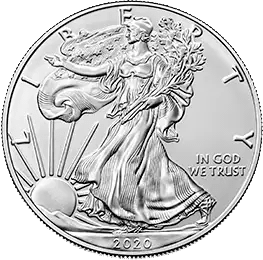
Silver conducts electricity much better than copper does. Photovoltaic cells rely on silver to channel electrons, which ties a portion of overall consumption to renewable-energy growth. Collectors seek out limited edition silver bullion coins from the U.S. Mint and others because designs change annually and are difficult to locate once a limited rollout has passed.
White gold sees little industrial use, but dentistry once preferred gold-palladium alloys for biocompatible crowns. Modern day ceramic alternatives have lessened that demand, but smaller, specialty niches still exist. Additionally, fine watchmakers sometimes use white gold because it is corrosion-resistant and tropical climates can quickly tarnish silver.
Expand Your Precious Metals Collection With AHG
White gold and silver shine side by side, but they each have distinct roles defined by cost, durability, and visual appeal. White gold carries the beauty and worth of gold with a higher starting price. Silver offers a more affordable entry point into the world of precious metals.
Regardless of your goals or budget, American Hartford Gold can help you find the pieces you need to complete your collection, diversify your portfolio holdings, or open up a Gold IRA. Clients have trusted us for many years to help them acquire quality gold and silver coins, bars, and bullion, and we’d love to help you next.
FAQs
Does white gold hold its value better than silver?
White gold carries gold’s higher base value, so it retains a larger portion of its purchase price when melted. However, resale depends largely on a piece’s design, branding, and market demand, among other factors, not just metal alone.
How often does white gold jewelry need rhodium plating?
For white gold pieces worn on a daily basis, jewelers suggest replating them every one to two years. This could be more or less depending on individual lifestyle habits. Reserving these pieces for certain occasions can extend the time between replating sessions.
Can people with metal allergies wear white gold?
It depends. The nickel found in traditional white gold can irritate sensitive skin. However, nickel-free blends that use palladium can be worn, but they are more expensive. Sterling silver rarely triggers nickel allergies.
Sources:
Vickers Hardness Calculation, Hardness Test and Formula | Tribonet