



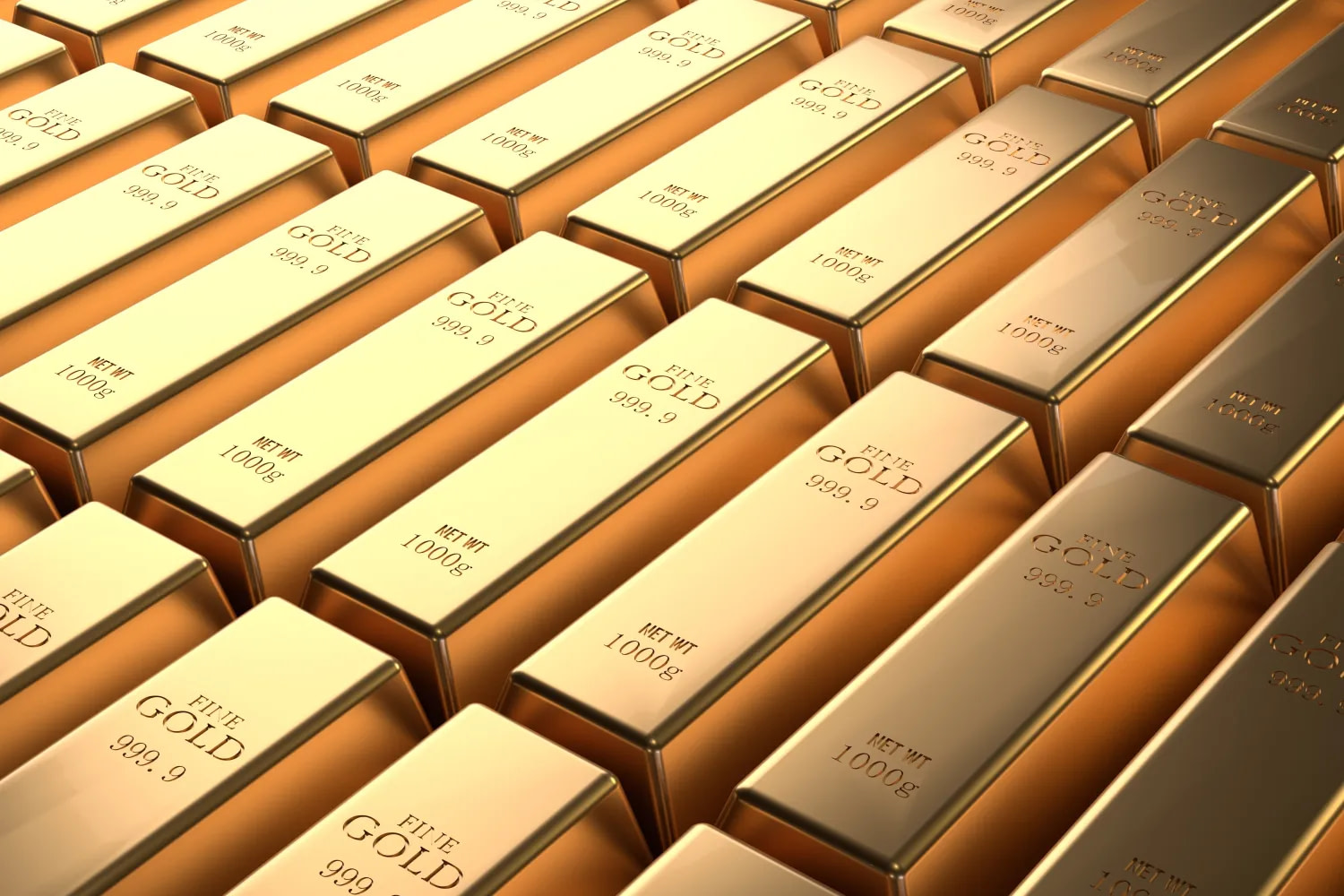












- Rising oil prices, persistent inflation and forced selling have driven gold lower despite ongoing economic uncertainty.
- Easing inflation, lower interest rates and continued demand could help fuel gold’s recovery.
- A Gold IRA can help protect your finances by diversifying retirement savings with physical precious metals.
Gold’s Unexpected Decline
Gold recently took a sharp turn downward. The metal fell below $4,000 an ounce on October 23, losing more than 4% for the week. The decline marked gold’s worst weekly performance since early June. The timing is surprising: war, stubborn inflation and economic worries have historically encouraged gold.
Yet a combination of economic pressures and forced selling has overwhelmed demand. Analysts believe some of those pressures could eventually ease, potentially setting the stage for gold’s recovery.
The Oil-Inflation Connection
The conflict with Iran has disrupted global energy supplies, helping push Brent crude above $110 per barrel. Higher energy costs have consequences throughout the economy. They increase transportation, manufacturing and operating expenses.

The impact is already appearing in inflation data. According to the Bureau of Labor Statistics, consumer prices rose 3.7% annually in September. Gasoline prices jumped 9.1% during the month, accounting for more than half of the monthly inflation increase.2
Persistent inflation has pushed the Federal Reserve toward tighter monetary policy. Following September’s rate hike, the benchmark rate stands at 3.75% to 4.00%. As of October 23, futures markets indicated a 78% probability of another increase in December.
Higher interest rates make bonds more competitive with gold, which pays no interest. They can also strengthen the dollar, making gold more expensive for overseas buyers.
When the Pressure Eases
Some analysts believe the conditions holding gold back could eventually help drive its recovery.
One possibility is declining oil prices. A reduction in Middle Eastern hostilities could ease supply disruptions. And it could remove some of the geopolitical premium built into energy markets. Heraeus analysts note that oil for delivery one year ahead recently traded near $89, suggesting markets expect some easing, though disruptions remain. 3
Lower oil prices could help bring inflation under control. The Fed would gain greater flexibility to pause or eventually reverse its rate hikes. Falling interest rates and a potentially weaker dollar would create a more favorable environment for gold.
Another possibility is that prolonged economic pressure forces a change in Fed policy. Analysts say high energy prices and elevated borrowing costs could eventually weaken economic growth. The Fed may then need to reconsider its approach. A shift toward lower interest rates could help support gold’s recovery.
Roukaya Ibrahim is chief commodities strategist at BCA Research. She said, “My technical indicators suggest that we’re ripe for a rebound, but the macro variables suggest that there are still headwinds.”4
Why Gold Fell with Stocks
Interest rates explain only part of the recent selloff. Trouble in the stock market has also pushed gold prices lower.
Technology stocks suffered sharp losses last week, with the S&P 500 and Nasdaq falling to five-week lows. The declines triggered margin calls for some traders who had borrowed money to purchase stocks.
When leveraged positions lose value, traders may have to sell assets to cover their obligations. Some liquidated gold and silver holdings to ride out the turmoil.
The selling accelerated when gold broke through important price levels. Automated trades and stop-loss orders were triggered. The resulting decline may have gone further than underlying economic conditions justified.
Gold’s Long-Term Support
Despite the recent correction, evidence of sustained demand remains.
According to the World Gold Council, global gold-backed exchange-traded funds attracted $10 billion in September. Third-quarter inflows rose to a record $31 billion.
Those purchases helped increase ETF holdings to an all-time high, even as gold prices declined.
Central banks also remain important participants in the gold market. Some countries have sold reserves. But overall, rising central bank purchases continue to reflect demand for an asset that is independent of any single government’s currency.
Demand for gold is also supported by ongoing concerns about government debt, geopolitical instability and the declining purchasing power of currencies.
Ole Hansen is head of commodity strategy at Saxo Bank. He said, “We are still witnessing a battle between short-term, technically driven traders looking for downside opportunities and longer-term investors whose underlying demand, as far as I can see, remains robust.”5
Opportunity Amid Uncertainty
Gold’s decline has created a potential opportunity for Americans who have been considering physical precious metals.
Lower prices allow buyers to acquire gold at a discount to recent levels. Analysts see the potential for substantial gains if inflation moderates. Lower interest rates could also help gold recover. A shift in economic conditions could provide further support for higher prices.
For people focused on long-term financial security, gold’s appeal goes beyond its daily price movements. Physical gold is a tangible asset that can help diversify savings. Its value is not determined solely by changes in oil prices, interest rates or the stock market.
American Hartford Gold can help you explore your options for owning physical gold and silver. A tax-advantaged Gold IRA is one way to add precious metals to your retirement savings. Contact our Precious Metals Specialists at 800-462-0071 to learn more.


