

Key Takeaways:
• Silver has the best electrical and heat conductivity of any metal, and it fights bacteria naturally.
• Silver’s usage in technology and its cultural value give it lasting worth.
• Learning how silver transforms from raw ore into a final product proves its usefulness in ever-changing industries like technology and fashion.
Silver has captured attention since ancient times, when it was shaped into coins and other sacred items. Today, scientists value silver for its ability to conduct electricity and reflect light better than aluminum.
These various uses also create a tight supply, since jewelers and tech companies all want access to the metal. In this article, you’ll learn what sets silver apart, the industries it’s used in, and how American Hartford Gold can help.
What Sets Silver Apart?
Every usage of silver begins with traits built into its atoms. Its strong conductivity and low reactivity help engineers and artists produce products that other metals can’t.
Electrical and Thermal Conductivity
Silver ranks highest in conductivity, ahead of copper and gold for both electricity and heat. Its electrons move smoothly through the metal, causing little resistance and making circuits more efficient. Energy savings, even small ones, matter a lot.
Silver’s heat flow also helps cool electronics. In electric cars, engineers print silver paste onto ceramic parts to carry heat away quickly, which helps the parts last longer.
Copper is still the top choice for home wiring since it’s cheaper, but silver is used where cooling and accuracy are more important than cost.
Reflectivity and Chemical Stability
Polished silver reflects over 95% of visible light, better than the aluminum-coated glass in high-quality telescopes. Silver also remains bright across a wide range of lighting types, including infrared, making it perfect for the special lenses used in satellites.
Chemically, silver is well-balanced. It doesn’t react much with air or most acids at room temperature, but still forms useful compounds when needed.
This makes it an excellent match for germ-resistant coatings, as silver ions break down bacteria without harming the surface. The same ion effect works in medical bandages.
Which Industries Is Silver Used In?
Modern life runs smoothly thanks to silver hidden in our devices and systems. From phones to solar panels, this metal helps drive better connections and facilitate cleaner energy production.
Smartphone Technology
A typical smartphone has 50 to 100 milligrams of silver in parts like tiny capacitors, cameras, and solder joints. Engineers like silver solders because they melt faster than tin-lead ones, which protects delicate chips from damage.
As 5G antennas get smaller and more parts are packed in, silver’s low resistance helps keep signals strong, reducing dropped calls and delays. Each phone uses only a little silver, but with over one billion phones made each year, the demand adds significant pressure.
Solar Cells and Conductive Pastes
Solar panel producers print silver paste onto silicon wafers to absorb electricity from sunlight.
Each six-inch cell uses about 80 milligrams of silver, and one home panel holds over 20 cells. With solar panels being installed worldwide, this industry now uses as much silver as the photography industry once did.
Quality panels require thinner lines that still conduct power well. Some research suggests using aluminum paste or copper coating instead, but silver still performs best. Even if part of it is replaced, vast amounts of new solar power will still need pure silver, securely linking its future to clean energy growth.
Wound Dressings and Hospital Surfaces
Doctors treat serious burns with gauze that holds silver ions to prevent infection as the skin heals.
The ions block the breathing systems in bacteria, stopping them from growing while leaving human cells unharmed. Studies show these silver wraps help wounds heal faster and reduce the need for antibiotics.
Hospitals cover handles, rails, and beds with silver-based coatings. These surfaces help prevent the spread of germs between patients and staff during busy hours. Unlike cleaning sprays that wear off fast, silver ions slowly release over time, offering steady protection all day and night.
Water Filters and Clothing
Portable water filters often have silver nanoparticles in carbon blocks.
The silver stops bacteria from growing inside the filter, helping it last longer and keeping the water safe on long trips or in emergencies. City water systems also use silver and copper ions to manage Legionella bacteria in pipes.
People can even find silver in workout clothes like socks and yoga gear. Silver threads reduce the bacteria that cause bad smells, so you can wear the clothing longer without washing it. These items use only small amounts of silver but demonstrate how useful it is for both cleanliness and comfort.
Silver’s Significance Throughout History
Even as new technology uses more silver each year, its role in money and jewelry still shapes its worth as people’s love for both continues to drive demand.
Coins and Bullion
Silver coins were used in everyday trade for hundreds of years, from ancient Greece to early America. The U.S. Mint made coins with 90% silver until 1964, and many families hold on to “junk silver” passed down from older generations.
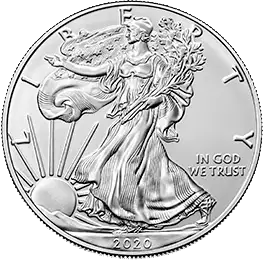
Silver bars and rounds still serve a similar purpose. Many people admire coins like the American Silver Eagle or Canadian Maple Leaf for their value and purity. Private mints also make rounds with designs spanning from Norse legends to sci-fi, proving silver’s appeal has lasted.
Jewelry, Flatware, and Decor
Sterling silver jewelry has a soft shine that looks good with most skin tones. It’s malleable and durable, so it can be shaped into detailed designs. Silversmiths create rings and bracelets that age gracefully instead of rusting.
Table settings still include sterling silver forks, teapots, and candle holders. Even though large dinners are less common now, many couples still choose silver baby spoons or photo frames as gifts for special events. In many cultures, giving silver at weddings or births is a way to wish luck, wealth, and a good life.
Add Silver to Your Portfolio With AHG
Silver is one of the world’s most useful materials. From the phone in your pocket to the solar panels powering your home, silver quietly helps daily life work better and stay cleaner. At American Hartford Gold, we have various precious metals for collectors to choose from.
Additionally, buyers can browse eligible gold pieces to include in their Gold IRA or retirement portfolio. Whether you’re new to the world of silver and gold or a seasoned professional, we can help match you with your next great find and diversify your asset mix.
FAQs
Why is silver less common in household wiring?
Silver outperforms copper electrically, but its higher price makes copper a better economic choice for those installing large amounts of wire inside walls. Engineers reserve silver for instances where performance outweighs cost, like high-frequency connectors, for example.
Does silver tarnish faster in certain climates?
Yes. Tarnish forms when silver reacts with airborne sulfur compounds. Humid, urban areas with more fossil-fuel emissions speed up the tarnishing process, while dry, rural settings slow it down.
Can silver be replaced in solar panels?
Research explores copper and aluminum pastes as alternatives, but silver still offers the highest level of efficiency. Large-scale substitution would require significant sacrifices or new manufacturing equipment.
Sources:
Conductivity | University of Cambridge
Silver the Green Metal | Silver Institute
Topical silver‐impregnated dressings and the importance of the dressing technology | NLM