











-
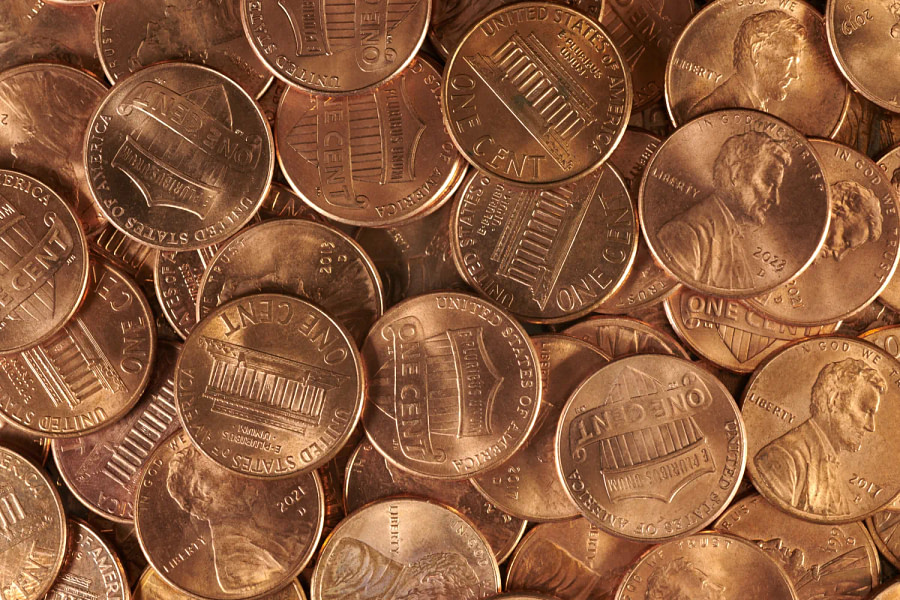
The most valuable pennies to include in a collection are typically the ones that are difficult to come by, in excellent condition, and in high demand among collectors.
-
Key dates and well-known varieties often earn a fair amount of collector interest, especially when details are sharp and surfaces are damage-free.
-
Damage from tools, heat, chemicals, or everyday handling can create strange shapes and colors on coins, but not every abnormality is valuable to collectors.
Pennies are one of the easiest additions to a beginner collection because they’re everywhere. Determining the value of a penny, however, is slightly difficult since most of them look similar. The best way to learn if a penny is worth something or not is to view it through the eyes of a collector.
Certain years, mint marks, and recognizable varieties stand out to those who have spent many years evaluating coins. In this guide, you’ll discover which pennies could be worth adding to your collection and how American Hartford Gold can help expand your precious metals portfolio.
How Is Penny Value Determined?
Penny value isn’t based on age alone. A penny from the 1960s could be more desirable than one from the 1920s if it has a rarer mint mark, is a recognized variety, or has a high grade. Collectors pay for rare, high-quality coins.
If a coin is rare but heavily worn, it could still be worth collecting for its rarity. A coin that’s common but looks new could also be worth keeping, especially if it’s a higher grade. Every collector is different, so what isn’t appealing to one individual may be appealing to another. For many, collecting is only a hobby, so monetary value isn’t a concern.
Rarity, condition, and demand are the primary factors that dictate a coin’s worth. Rarity can mean limited production, a small number of remaining coins, or a special variety that is not commonly found.
Sorting Pennies
Start with a simple three-pile system.
-
First pile: any coin that looks older or different, like wheat-back pennies or Indian Head pennies
-
Second pile: pennies with an “S” (San Francisco) or “D” (Denver) mint mark that stand out, especially on older dates
-
Third pile: any coin that looks unusual in detail
Check the date and mint mark carefully, because even a small discrepancy can affect a coin’s value. Then inspect the surface of the coin. Look for scratches, dull areas, and marks. If the penny is worn down, it could still be fun to collect, but it will be less valuable.
Lincoln Wheat Pennies
Lincoln wheat pennies are popular because they’re historic and easy to identify. The wheat design on the back was used for many decades, so the coin has a wide range of years and mint marks to choose from. Many wheat pennies are common and worth only a modest amount. Still, the wheat penny series includes several dates that collectors actively seek.
If you want to build a wheat penny collection, you don’t need extremely rare coins. The real value comes from knowing which years and mint marks deserve the most attention. The 1909-S VDB Lincoln penny is one of the most well-known coins in the series, largely due to its story and demand.
Other important dates include the 1914-D and 1931-S Lincoln pennies, which are often more challenging to find. The 1922 “no D” penny is another famous one, named for the fact that the letter “D”, indicating it was produced at the Denver Mint, is missing from the design.
Key Wheat Penny Dates
When you find a wheat penny, check its date and mint mark. If you see a 1909 penny, for example, with an “S,” take a closer look, especially if you also see the letters “VDB” on the bottom of the front. Those are the initials of Victor David Brenner, a famous coin sculptor who actually worked on the coin.
If you see a 1914 penny with a “D,” hold on to it. This coin has a low mintage, so it’s very rare and highly sought after by collectors. Many high-demand wheat pennies have been counterfeited or altered by changing mint marks or dates, so it’s good to consider authentication if you think you’ve found one.
Don’t always assume a coin is real. Compare it to reference photos from trusted sources, or seek a professional opinion. Look for consistent lettering and spacing, and natural wear patterns that match the rest of the coin. If you think you have a key date, keep it separate from the other pieces you have and don’t handle it too often.
Indian Head Pennies
Indian Head pennies are attractive to collectors because they’re a reminder of a different era. They also come from a time when fewer people saved coins in large quantities, so higher-grade pieces are often difficult to find.
As a result, Indian Head pennies, even those that are worn, are popular among collectors. Still, collectors tend to pay more for coins with little to no wear. As with the wheat pennies, certain dates and conditions can cause a coin’s value to fluctuate dramatically.
What To Look for on Older Pennies
On older pennies like the Indian Head, heavy wear can make a date hard to read, and coins with illegible numbers aren’t typically worth much. If design details are smoothed out, that will lower a coin’s value as well.
Older pennies often show discoloration, corrosion, or marks from circulation and excessive handling. Collectors tend to prefer coins with even color and minimal damage. To confirm coin condition, consider comparing yours to reference images from a reputable grading service.
Lincoln Memorial Pennies
The Lincoln Memorial design has run for decades, and collectors have shown significant interest in this piece over the years. That long run produced a variety of different pennies to choose from. Modern pennies like this one also benefit from more consistent production, which makes any variations easier to spot.
Condition matters even more for modern coins because so many were made, and commonly found coins aren’t typically in demand, especially if they have many visible signs of wear. However, a sharp, clean example could be appealing to collectors who aim to build high-grade sets.
There are also modern-day proof coins and special collector issues, and some varieties have become famous, like certain “AM” spacing varieties on the back of certain dates. These aren’t common finds, but they can be realistic targets if you’re willing to commit to the search.
Important Modern Varieties
One variety many collectors seek is the “Close AM” Lincoln penny. The name stems from how close the letters “A” and “M” appear in the word “AMERICA” on the back of the coin. Some dates are known for having this variety in regular-issue pennies, and collectors actively look for them.
Another category is doubled-die varieties, where design elements appear doubled due to the way production dies were made. These coins can have doubled lettering or numbers, subtle or quite extreme, appearing like double vision. Since there are many forms of doubling, you’ll want to focus on varieties recognized by reputable grading services.
Discover Precious Metals With AHG
Collecting pennies can be rewarding because it allows individuals to enjoy small pieces of history while challenging themselves to locate rare and valuable coins. If you prioritize key dates, recognized varieties, and pieces in excellent condition, you can build a collection with character and worth.
If you want to learn how precious metals, like gold , could fit into your retirement plan, consider a Gold IRA to protect the value of your savings.
FAQs
What are the factors that determine a coin’s value?
Rarity, condition, and demand are the primary factors that dictate a coin’s worth. Rare pieces in excellent condition are highly sought after by collectors.
How do I know if a wheat penny is worth something?
If you have a wheat penny, inspect its date and mint mark. A 1909 penny, for example, with an “S,” is worth a closer look, especially if you also see the letters “VDB” on the bottom of the front side. Those are the initials of Victor David Brenner, a famous coin sculptor who actually worked on this coin.
If you find a 1914 penny with the “D” mint mark, hold on to it. This coin has a low mintage, so it’s rare and many collectors want it. Several high-demand wheat pennies have been counterfeited or altered by scammers, so it’s good to consider authentication if you think you’ve found one.
What’s the easiest type of penny to start collecting?
Lincoln wheat-back pennies are typically the best starting point because they’re highly recognizable and commonly found in collections. You can start here and expand over time as your knowledge grows.
How do I know if a penny is worth keeping?
If the penny is a popular date, a recognized variety, or appears to be in pristine condition, set it aside. Compare it to reference photos from a reputable grading service to determine whether it could be worth getting professionally valued or authenticated.
Are modern pennies worth collecting?
Yes, especially if you enjoy searching around for rare varieties and errors. Some modern varieties, like certain “AM” spacing and doubled-die pennies, have earned a lot of collector interest and could be a valuable addition to your collection as well.
Should I have my penny professionally graded?
Grading typically makes sense when the penny is suspected to be a rare date, a widely recognized variety, or uncirculated. Grading isn’t free, so don’t waste money having all of your pennies evaluated. Set aside the ones you believe could be worthwhile. Proof of professional verification can go a long way if you decide to sell.
Sources:
The Top 16 Most Valuable Pennies | Spruce Crafts
How to Detect Counterfeit Coins | Spruce Crafts
Indian Head Penny: Key Dates, Rarities, and Varieties | Spruce Crafts
Lincoln Memorial Penny: Key Dates, Rarities, and Varieties | Spruce Crafts


