






- Rate cuts may spark a market sell-off despite expectations.
- Economic and market vulnerabilities could be exposed after the Fed acts.
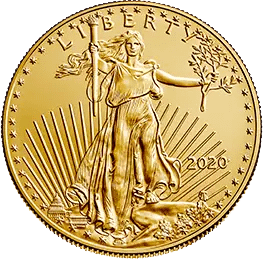
- Physical gold can provide a hedge against volatility and protect your wealth.
The Danger of Rate Cuts
The market is eager for interest rate cuts, but investors should be careful what they wish for. Lower rates are typically seen as bullish for stocks. But JPMorgan is warning that the upcoming Federal Reserve decision could actually spark a selloff. Traders have already sent markets higher in anticipation of easier policy. If a cut is announced on September 17, it could trigger a “sell the news” event. Traders may sell stocks after the news because the good outcome was already expected and priced in. That makes now the time to brace your portfolio before the Fed acts.
Investor Expectations vs. Market Reality
Stocks have climbed all year on the expectation of easier monetary policy. Last month, Fed Chairman Jerome Powell remarked that a cut could be justified. Since then, the S&P 500 has gained nearly 2%, adding to a more than 10% gain for the year. Traders expect three rate cuts in 2025, starting with a 25-basis point move this month and more to follow in 2026.1
But JPMorgan’s trading desk has cautioned that these expectations may already be priced in. When markets anticipate a policy shift, there is little room left for upside. Instead, the actual announcement can trigger a pullback as traders take profits. Notably, inflation is still running above target and employment data is sending mixed signals. The upcoming cut may highlight weaknesses instead of fueling growth.
Why a Cut Could Backfire
JPMorgan has outlined several reasons why a rate cut might not provide the lift investors expect. Each of these factors points to risks that could leave markets vulnerable.2
Labor Market Concerns: The labor supply is tightening. Lower rates could increase demand for workers. That would push wages higher, keeping inflation “sticky.” Instead of calming inflation fears, a cut could reinforce them.
The Fed’s Reaction Function: The reaction function refers to how the central bank adjusts policy in response to economic data. Investors will be watching to see how much inflation the Fed is willing to tolerate. If the market thinks the Fed is putting growth ahead of price stability, confidence could weaken.
Investor Positioning: U.S. stocks remain heavily owned. But positions are starting to shift. Investors who were overweight in equities are scaling back. At the same time, share repurchases by S&P 500 companies, once a steady support for markets, have slowed after hitting records earlier this year. With fewer buybacks, stocks may lack an important cushion against volatility.
Retail Investor Momentum: This year, individual investors have often stepped in to “buy the dip”. Large institutions were forced to follow. But enthusiasm from retail traders is now waning. Without that extra layer of demand, the market may not find as much support if prices begin to fall.
David Kelly is chief global strategist at JPMorgan Asset Management. He warned that rate cuts are not a cure-all. Retirees and fixed-income investors could see their income decline. Lower interest rates reduce the yields on savings accounts, bonds, and other income-generating assets. Spending power is reduced, and consumer-driven sectors are weakened. At the same time, many households may hesitate to borrow even at lower rates if they remain worried about a potential recession.
Lessons From the Past and Global Implications
There is precedent for this kind of disappointment. In 2019, rate cuts failed to prevent a market swoon as trade tensions escalated. Similarly, today, unresolved geopolitical risks and tariff concerns could undermine market confidence.
Because global markets are interconnected, the ripple effects could be wide. Emerging markets may be especially vulnerable to a U.S. pullback. While central banks around the world will need to adapt to U.S. policy shifts. Currency markets and commodity prices may also swing if investors interpret the Fed’s actions as a sign of underlying weakness.
Gold as a Hedge Against Volatility
With these risks in mind, JPMorgan has advised investors not to overcommit to equities. Instead, hedging against downside risks is a prudent strategy. Both JPMorgan and Goldman Sachs have highlighted gold as an asset to consider. They note its role as a hedge when the dollar weakens under rate-cut expectations.

3
Gold has already climbed above $3,600 an ounce as markets prepare for the Fed to begin easing. Some analysts believe prices could rise as high as $3,800 this year if the Fed signals significant cuts ahead. A weaker dollar would only add fuel to gold’s momentum.
Bond market dynamics also support the case for gold. The sheer scale of government debt could eventually push borrowing costs higher. If confidence in U.S. debt falters, the Fed may need to intervene by buying Treasuries, aka, print money. That policy fuels fears of inflation and debt sustainability. Both of which tend to drive investors toward gold.

Conclusion
The Federal Reserve’s September 17 meeting may deliver the rate cut investors have been waiting for, but it could also serve as a turning point. Instead of sparking another leg higher for stocks, the decision may highlight fragility in an overheated market.
Americans should temper enthusiasm and prepare for volatility. Hedging risks and allocating to assets like physical gold can help protect portfolios from the unexpected. As uncertainty builds, gold remains a time-tested store of value. Contact us today at 800-462-0071 to learn how a Gold IRA can protect your wealth.