












Key Takeaways:
- The value of a silver bar is based on its weight, purity, demand, and the premium dealers charge for distribution.
- Bar sizes range from one-ounce pieces to 1,000-ounce bricks, and each size follows its own pricing structure due to differences in production cost and buyer demand.
- Recognizing how design, market, and other factors affect cost is highly beneficial to those who want to purchase or sell silver.
Several factors help determine silver’s value. Weight, purity, dealer premiums, and market demand all play a role. The amount this metal is worth constantly fluctuates as the market is unpredictable.
In this article, we’ll cover how much silver bars are worth, the sizes they can be purchased in, factors that influence cost, how the market works, and how American Hartford Gold can help expand your precious metals collection.
Silver Weight and Purity
A bar’s stamped weight and purity tell you how much silver it contains. Those two numbers make it easy to compare options and determine if a quoted price seems fair.
Troy Ounces
Most silver bars measure weight in troy ounces. One troy ounce is around 31.103 grams, which is slightly heavier than an ounce you’d measure on a food scale. This specialized unit dates back to medieval trading posts in Troyes, France, and precious metal traders worldwide still rely on it.
When a bar displays “10 troy ounces,” it means the bar’s total weight is roughly 311 grams. Dealers sometimes list both troy ounces and grams on invoices because industrial customers often prefer metric units.
Fineness
Purity marks tell you which portion of the stamped weight is pure silver. Modern bars often read .999 or even .9999 fineness, indicating that only one or two parts per thousand are composed of other metals. To find the pure silver content, multiply the bar’s total weight by its fineness.
A bar weighing 10 troy ounces at .999 purity holds 9.99 ounces of pure silver. The remainder is trace alloy that does not impact value much, but professional refiners still account for it. When you see an assay card with these numbers, you know exactly how much silver you are buying and can compare bars easily.
Silver Bar Sizes
Silver bars come in a variety of sizes, each designed to target a different type of buyer. Small bars attract first-time buyers and casual gift-givers, while industrial bricks are most suitable for refiners and large institutions.
One to 10 Ounces
Single-ounce bars feel similar to thick trading cards. Their modest price tag makes them an easy entry point for new metal collectors looking to test the market without spending too much upfront. Manufacturers engrave unique designs into these bars because shoppers often select them for special occasions like birthdays.
Premiums on one-ounce pieces run higher because setup costs are spread across fewer ounces. A 10-ounce bar, however, has a lower cost per ounce. Collectors who enjoy artistry may favor one-ounce bars despite the extra cost since they often plan to keep their purchases on display for themselves and others to admire.
Kilo to 100 Ounces
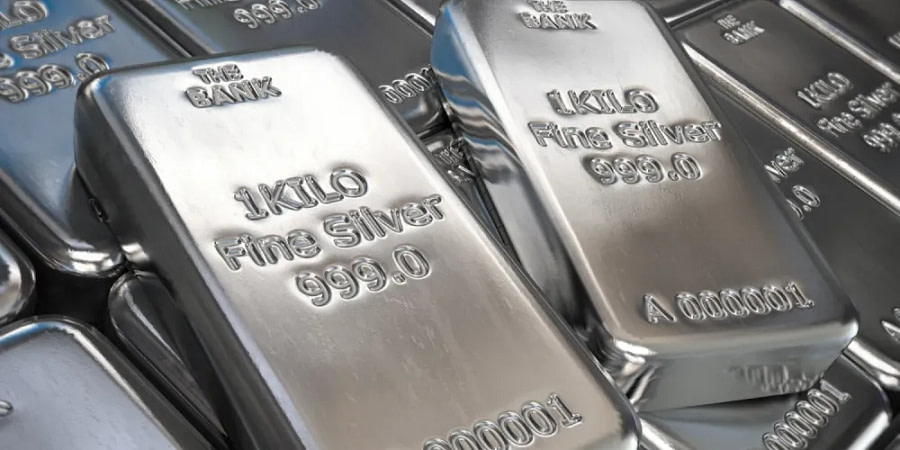
Kilo bars, which weigh around 32.15 troy ounces, are easily portable and cost-effective. Many refineries choose this size because it is easy to stack inside vaults, and shipping costs are reasonable.
The 100-ounce bar measures roughly seven inches long, and since the premium isn’t very high, professionals prefer it for bulk purchases. However, selling one means parting with all 100 ounces at once, which may be a dealbreaker for small buyers.
What Factors Influence Premiums?
A bar’s metal content sets its baseline value, but the price you see online or at a counter includes a premium. That extra layer covers everything from melting furnaces to marketing brochures. It rises and falls as the market does, and is also impacted by other trends.
Brand Reputation
Well-known institutions stamp each bar with a hallmark that indicates purity. Those with extensive track records can typically command a slightly higher premium due to their trustworthy reputation.
Smaller refineries can still be purchased from, but buyers who are unfamiliar with those marks may hesitate or demand further verification. Those additional test fees will lower net proceeds, so if rapid liquidity is high on your checklist, paying a bit more up front for a recognized hallmark can save time and money long-term.
Design, Limited Editions, and Appeal
Limited series featuring historical themes or important figures generate interest among collectors who appreciate a piece with deeper meaning. Certain special editions sell out within days, and those who miss the initial release are willing to pay high premiums to acquire them.
Buyers who care primarily about silver content can avoid the additional costs by sticking with standard bullion designs. However, those who enjoy the thrill of collecting are often more than willing to pay extra for a bar that is also visually appealing.
Buying and Selling Silver
Dealers, online platforms, and peer-to-peer transactions each have their own price structures and difficulty levels. Mapping out the transaction process before you begin shopping helps protect your budget.
Buying From Authorized Dealers
Authorized dealers build their business around transparent pricing and secure shipping. When you walk into a store or pull up a reputable site, you’ll often see live prices that update every few minutes. These dealers bundle their premium into the listed figure, so you know the total before exchanging money.
Purchasing this way also includes additional protections like tamper-evident packaging and unique serial numbers recorded on your invoice. If a problem arises, this information will help you reach a solution more efficiently.
Authorized dealers charge slightly higher fees than private sellers, but many accept that trade-off for the peace of mind it provides.
Reselling and Market Liquidity
High-volume dealers tend to display buy-back prices on their websites. You ship the bar, the dealer confirms its purity, and funds arrive by check or digital deposit. Local coin shops or peer-to-peer groups on hobby forums offer alternative outlets.
These channels may shave a bit off the spread, especially for hallmark bars. They do, however, often involve in-person meetings, negotiations, and potential safety concerns when large sums are exchanged.
Acquire Silver With AHG
Silver bars may appear plain and insignificant in comparison to other metals, like gold, but they are worth something, too. American Hartford Gold has various silver and gold pieces that make valuable additions to any portfolio, display collection, or Gold IRA.
FAQs
How do I know if a silver bar is authentic?
Look for a hallmark, a stamped purity mark, and a unique serial number. Many trusted dealers also provide assay certificates or place bars in tamper-evident packaging for additional security.
Why are premiums higher on small bars?
Fabrication, marketing, and handling fees are spread across fewer ounces, so the premium per ounce goes up. Larger bars water down those fixed costs, which lowers the markup.
Can I negotiate the quoted premium?
Sometimes. Certain dealers may be open to negotiation, especially for larger orders. It doesn’t hurt to ask, but remain polite, professional, and realistic. Premiums are designed to cover hefty business expenses so not all dealers will be open to adjusting their prices.
Sources:
Troy Ounce: Definition, History, and Conversion Table | Investopedia
A Beginner’s Guide to Precious Metals | Investopedia
Bullion Coin Programs | US Mint
Spreads in Finance: The Multiple Meanings in Trading Explained | Investopedia


