














The U.S. dollar has been a prominent currency for as long as most can remember. But now, there’s a fresh wave of talk across the world’s financial circles.
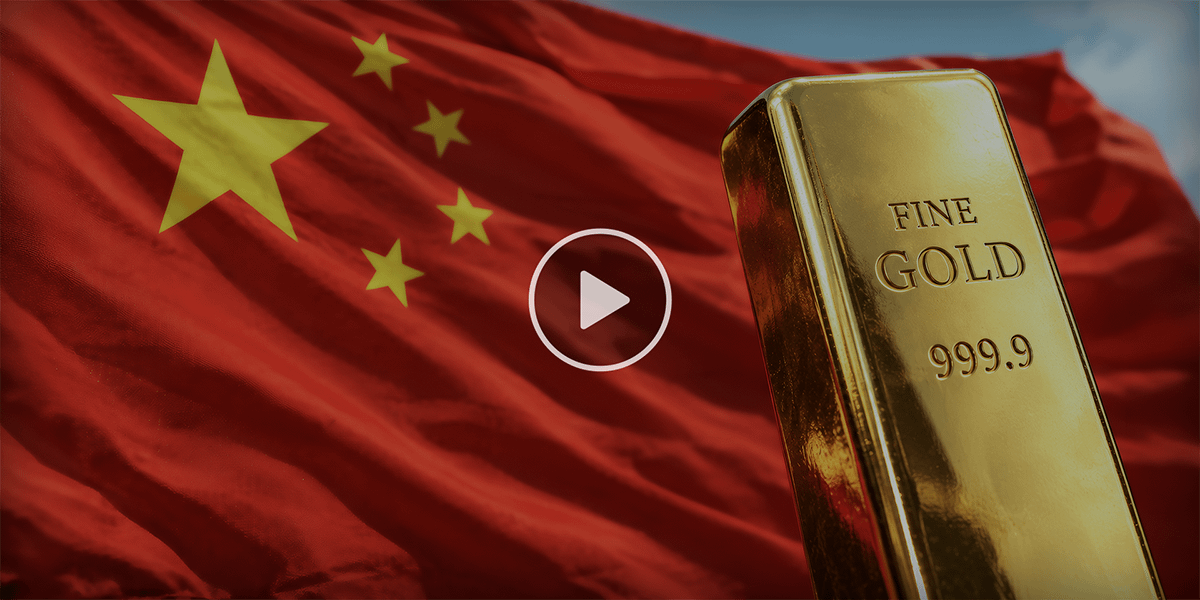
The BRICS countries — Brazil, Russia, India, China, and South Africa — have tossed a new idea into the ring. They’re considering joining forces to create their own currency, looking to ease up the dollar’s tight grip on global trade.
As the tides of international trade and geopolitics ebb and flow, there is a growing trend among the fiscally cautious to pivot toward tangible assets, such as gold.
Particularly noteworthy is the concept of a Gold IRA — a self-directed retirement account that focuses on physical precious metals as a haven from the unpredictable nature of fiat currencies. Keep this in mind as we will be discussing the state of the U.S. dollar and what options you might want to consider.
What Is the History of BRICS and Common Currency?
Coined by economist Jim O’Neill in 2001, “BRICS” identifies a group of nations once seen as mere emerging markets but have since grown to embody a significant chunk of the world’s population and economic output.
The group, evolving from BRIC to BRICS with South Africa’s entry in 2010, represents a formidable collective with over 42% of the world’s populace and a substantial 31% of global GDP. Regular summits reflect their concerted effort to shape the global economy and magnify their influence.
Brazil’s Pioneering Voice
The call for a BRICS currency is led by Brazilian President Luiz Inacio Lula da Silva, who envisions a financial system where trade and investments between these nations are less susceptible to the U.S. dollar’s fluctuations.
At the BRICS summit in Johannesburg, the Brazilian President laid out a bold proposal. He aims to give these countries more financial freedom, which may shake up the way global trade works.
Diverse Reactions Within the BRICS Nations
While Brazil’s president makes a compelling case for the BRICS currency, responses from other member nations vary, demonstrating the complexity of the alliance’s future direction.
The geopolitical stakes are high, with Russia showing support through Russian President Vladimir Putin and his advocacy for de-dollarisation in trade. India maintains a cautious stance, and China remains reserved yet open to reforming the financial system.
South Africa’s reaction is similarly measured, acknowledging the challenges that a common currency would face, from establishing a central bank to navigating trade imbalances, especially with China as a predominant trading partner for all.
In these economic intricacies, the BRICS nations each play a critical role. Let’s look at the forces at play here, the implications for the U.S. dollar, and for you, the discerning individual looking to safeguard your financial future.
What Should You Know About the U.S. Dollar?
The U.S. dollar, or what’s also known as the greenback, maintains its stature as the world’s reserve currency, making it a key part of international trade.
As the global go-to currency for transactions and investments, its dominance is comparable to a central nervous system in world economics. Yet, there’s a sense that even financial giants can feel unnerved.
The De-Dollarization Drive
The trend toward de-dollarization has been picking up speed, driven by a confluence of factors. Changes in interest rates have traditionally swayed the dollar’s value, but now geopolitical shocks and strategic shifts in the global economy are significant catalysts.
Countries like India and the UAE have made waves by conducting oil transactions in their national currencies, sidestepping the once-unquestionable need for dollars.
Ripple Effects of Sanctions and Geopolitical Strife
The imposition of Russian sanctions and the subsequent invasion of Ukraine have put the dollar’s supremacy to the test. Nations, particularly within BRICS, are recalibrating their financial systems, increasingly transacting in non-dollar currencies such as the Chinese yuan.
This pivot reflects a strategic foresight to minimize reliance on a single currency vulnerable to America’s political and economic policy decisions.
What Are the Challenges of Introducing a BRICS Currency?
Setting up a BRICS currency is no small feat — it’s a complex challenge. Economists and central bankers point out that creating a one-size-fits-all currency for such a varied group of countries is tough.
Economic disparities, political dynamics, and logistical intricacies form a complex challenge that requires careful assembly. A primary concern in this ambitious undertaking is the trade imbalances within the BRICS countries.
As the leading trade partner for most BRICS members, China’s overwhelming economic muscle raises questions about equity and influence. The central question remains: Can a new currency foster cooperation without being overshadowed by the weight of the Chinese yuan?
While the American dollar’s story has always been one of dominance, it’s becoming increasingly propelled by narratives of resilience and rebalancing.
With their potential common currency, the BRICS nations may be writing a new chapter in the annals of the global financial system — one where a multipolar currency landscape becomes the norm.
The dialogue on these issues continues to evolve, just like the dynamics of the economies that drive these discussions.
Is Gold a Secure Haven in the Financial System?
In a landscape where trust in traditional financial systems faces trials, alternatives like gold become sources of stability. The yellow metal has stood the test of time, and its resurgence is not just about nostalgia. As the global financial environment faces uncertainties, gold remains prominent.
The Ascent of the Gold IRA
At the forefront of this golden revival is the Gold IRA, which allows individuals to purchase physical gold for retirement planning. It’s a statement of securing one’s future against the unpredictable waves of stock markets and inflation.
American Hartford Gold (AHG) is at the forefront of this movement, leading people toward a Gold IRA quickly becoming a synonym for financial serenity. Our approach simplifies acquiring precious metals, making it accessible and worry-free.
American Hartford Gold’s Path to Precious Metals Acquisition
Here’s how we’re changing the game in the precious metals landscape:
Guidance from Experts: At AHG, we pride ourselves on a battalion of specialists who assist with the paperwork and decisions in setting up a Gold IRA.
Funding the Future: Funds from existing retirement accounts are transferred seamlessly, often within a matter of days.
Selecting Your Shield: AHG doesn’t just leave you in the lurch once your account is funded. We guide you through choosing from IRS-approved gold and silver, ensuring your choices are well-informed.
AHG connects you with custodial services like Equity Trust Company and a spread of IRS-approved depositories. These vaults, scattered across the country from Delaware to Los Angeles, are more than just storage spaces. They guard your purchases with state-of-the-art security and insurance, ensuring that what’s yours stays safe.
Diversifying With a Gold IRA
With a Gold IRA, you’re not putting all your eggs in one basket. It’s a conscious choice to allocate your retirement savings across different asset classes, providing security against market turbulence. AHG makes this strategic diversification a streamlined reality.
Eligibility and Ease of Access
Whether you’re nurturing a Traditional IRA or a 401(k), AHG makes the transition to a Gold IRA smooth. It’s a testament to the inclusivity of this secure purchasing option, making it a universal fit for various retirement accounts.
As the BRICS countries contemplate an alternative currency to challenge the U.S. dollar’s dominance, people are also looking for ways to secure their financial futures against global economic shifts.
In this scenario, gold shines as a steadfast asset, and companies like American Hartford Gold provide the information you need to navigate this opportunity.
What Are the Implications of BRICS for the Global Economy?
As the BRICS nations ponder the creation of a common currency, the ripples through the global financial system could become waves. A BRICS currency emerging as a contender to the U.S. dollar could alter the landscape of international finance.
The U.S. dollar has long reigned supreme in international trade, serving as the world’s primary reserve currency. However, whispers of “de-dollarization” are growing louder as BRICS nations consider an alternative.
While it might be premature to think of what could happen if countries were to dethrone the dollar, it’s worth questioning how its role might evolve if this happens.
The Shift in Global Transactions
“De-dollarization” refers to the pivot away from the dollar toward national and local currencies in international dealings. It signifies a strategic move in financial sovereignty.
Countries like Iran and Russia, affected by sanctions, are vested in promoting transactions in their own currencies, such as the ruble, to sidestep the dollar-dominant SWIFT system.
The Potential Domino Effect
As these discussions gain momentum, other countries, including allies and trade partners such as Saudi Arabia, Egypt, and the United Arab Emirates, might reassess their currency alignment. Should they tilt toward a BRICS currency or choose to elevate their native currencies in foreign exchange, the impact on the U.S. economy could be significant.
Asia’s Stance and the Global Market
In Asia, a powerhouse like China, with Beijing’s influence and Xi Jinping at the forefront, could galvanize the region toward a new financial paradigm. If a BRICS currency strengthens, it could affect countries like Japan and Israel, which have intricate economic ties with the West.
The Role of International Institutions
How international bodies like the International Monetary Fund (IMF) and various central banks react to a BRICS currency will be pivotal. If they endorse this move, it could kickstart a realignment of currency reserves and a reassessment of the exchange rate dynamics globally.
The Future of International Trade
In a world where the concept of a BRICS currency becomes a reality, international trade could witness a tectonic shift. Exports and trade agreements might lean on various currencies, challenging the greenback’s predominance.
This multi-currency landscape could democratize international trade, giving more negotiating power to nations previously bound by dollar-centric financial policies.
The journey toward a BRICS currency and the broader theme of “de-dollarization” is about geopolitical shifts and pursuing a new financial equilibrium.
As nations navigate these waters, the implications for the global economy promise to be as complex as they are profound.
Whether the U.S. dollar will maintain its prominent status or share the spotlight with a BRICS currency or other national currencies, the dialogue around this issue is a testament to the ever-evolving narrative of international finance.
Charting the Future With Confidence
In a world where economic landscapes are as dynamic as the markets themselves, the conversation around a potential BRICS currency and the implications for the U.S. dollar is more than a financial debate — it’s about the pulse of global progress.
As the concept of de-dollarization gathers strength and nations consider embracing a multi-currency system for international trade, individuals must prepare for them actively.
American Hartford Gold emerges as your partner in this preparation, offering the Gold IRA as a beacon of stability in tumultuous times. By diversifying with tangible assets like gold, you’re strategically choosing to protect and grow your wealth, regardless of currency fluctuations or geopolitical developments.
Sources
Introduction – BRICS: Sources of Information | Research Guides at Library of Congress
Four reasons for de-dollarization | Modern Diplomacy
China Purchasing Power Parity: National Currency per USD | Economic Indicators | CEIC