







A Structural Shift is Underway
A single decree out of Moscow is sending shockwaves across gold trading desks from London to Dubai. Russia’s ban on exporting gold bars over 100 grams might sound like a niche regulation, but it’s proving to be one of the most consequential shifts in the modern era of precious metals.
Gold is being structurally reshaped in how it moves, who controls it, and what it represents. Beneath the apparent volatility lies a story of tightening supply, shifting alliances, and the return of gold as a true strategic asset.
What Just Changed in Gold Markets
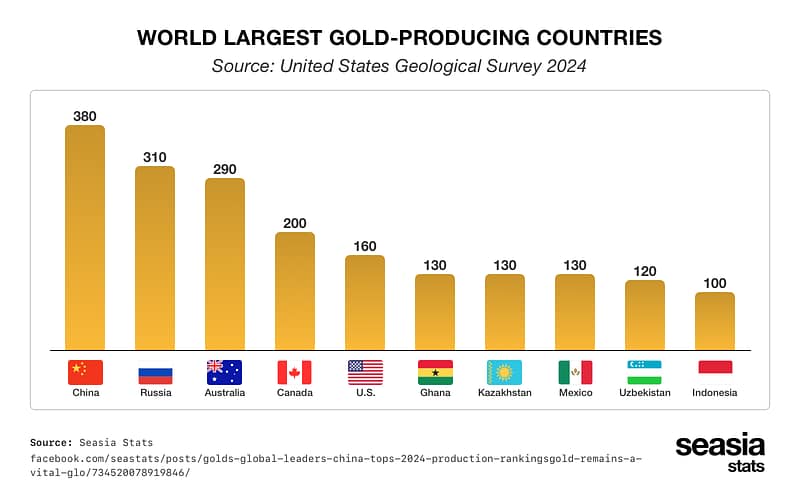
Russia is responsible for roughly 10% of global gold production. But starting May 1, 2026, they will stop allowing any exports of gold bars weighing over 100 grams. The new rule effectively locks hundreds of tons of gold inside one of the world’s largest producers.1
2
Ahead of the deadline, Russian private holders are scrambling to move assets offshore. A temporary “April glut” is forming. Buyers in Turkey, the UAE, and Asia are seeing short-term supply spikes that look like falling prices. But this is a mirage. Once the ban takes effect, those flows will dry up overnight. And what follows is a genuine tightening of available supply.
Market participants would be wise to distinguish between the noise of short-term selling and the deeper message: gold is about to become significantly scarcer on the open market.
Supply Shock and the Scarcity Effect
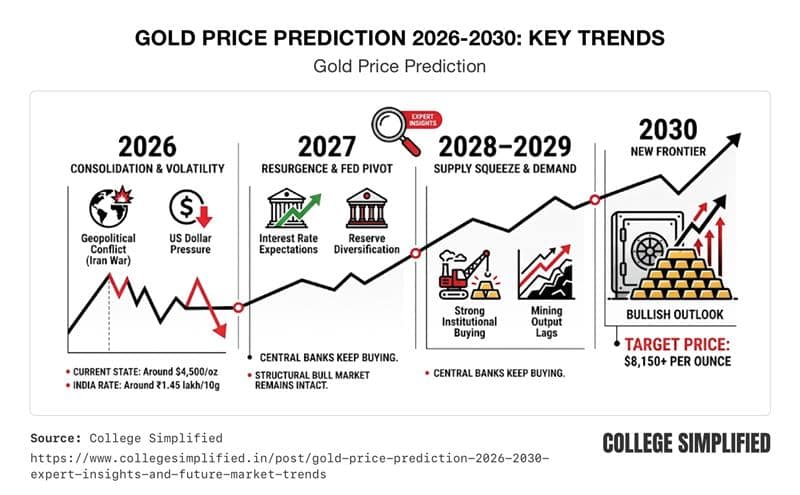
By restricting large-scale exports, Russia is effectively removing 300+ tons of gold from international circulation. Basic economics takes over. When supply contracts and demand holds steady, prices climb. Already, gold futures are reflecting a “scarcity premium”. Future spot prices are being pushed toward the $4,800–$5,000 per ounce range.3
This moment highlights a critical fact: the availability of physical gold matters far more than paper valuations or futures positions. In times of constraint, traders and central banks care about who actually possesses the metal, not just who holds a claim to it.
The shift from paper to physical is reshaping how markets perceive value itself.
A Fragmenting Global Gold Market
For over a century, the London Bullion Market Association (LBMA) served as the global reference point for gold pricing. Now, its dominance is being tested. With Russia’s withdrawal from Western trading channels, a “two-tier” system is forming. One price set by Western markets where supply is constrained. And another among BRICS nations, where trade occurs through bilateral agreements and state-set exchange rates.4
These separate markets create inefficiencies and volatility. Prices can diverge widely as liquidity dries up in one region and persists in another. The result: higher transaction costs, wider bid-ask spreads, and a growing sense that the old, unified gold market is fracturing under political and economic pressure.
Central Banks and Global Demand
This tightening cycle is changing central bank behavior, the largest driver of gold prices. Nations such as China, India, and Saudi Arabia are visibly building reserves, driven by what some analysts call “defensive hoarding.” Their logic is simple: if gold is becoming harder to move and more politically restricted, the safest strategy is to own more of it domestically.5
Central bank purchases surpassed 860 tons in 2025, with BRICS members accounting for nearly 40% of that demand. This buying spree helps form a strong price floor, meaning that even if short-term volatility persists, long-term gold demand remains anchored.6
Gold’s Role Is Changing
Historically, gold served as a hedge against inflation and a reflection of investor sentiment toward interest rates. That era is ending. What’s emerging now is a model where gold functions as a strategic reserve asset. It is becoming a form of collateral in international trade and a shield against currency risk.
For example, the gold-backed BRICS Unit introduced last year ties 40% of its value to physical gold. It directly links the metal to global settlement systems. As governments begin treating gold less like a commodity and more like a reserve weapon, individual investors are recognizing that this reclassification fundamentally alters the market’s direction.It also hastens de-dollarization, and American dominance in the global economy.7
Conclusion
The events surrounding Russia’s export ban illustrate a turning point in how the world views and values gold. Supply is shrinking, pricing systems are fracturing, and global institutions are repositioning around physical reserves. The combination of which point to higher gold prices in the long term.
Volatility will likely remain. Yet instability often reinforces the case for tangible assets. While paper contracts can fluctuate with policy headlines, physical gold, and by extension, a Gold IRA, offers a form of protection grounded in scarcity and intrinsic value. The goal isn’t to speculate on day-to-day moves but to safeguard purchasing power through a period of structural change.
To learn more about protecting your retirement savings with physical gold or diversifying with a Gold IRA, call American Hartford Gold at 800‑462‑0071 today.