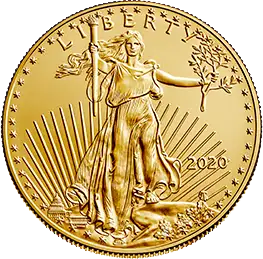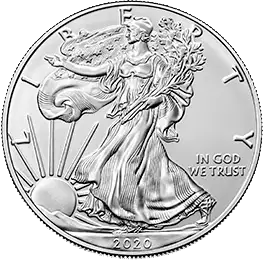


Key Takeaways:
- The term “uncirculated” describes coins that have not been pushed into daily commerce.
- Value depends on grade, rarity, appeal, and demand, not just the fact that a coin is uncirculated.
- You can find uncirculated coins in U.S. Mint products, original bank rolls, and older collections.
Uncirculated coins maintain the crisp look a coin had the moment it left the press. Many picture bright, flawless pieces with mirror-like shine. In reality, uncirculated coins can sometimes have small contact marks from the bags they traveled in, but they should not show wear from being carried in pockets or stored in cash drawers.
It’s important to understand the difference between marks and wear. Once you learn to spot each, you can judge coins with more confidence. In this article, you’ll learn what uncirculated coins are, how they are produced, where to find them, how much they are worth, and how you can acquire coins with American Hartford Gold.
What Does “Uncirculated” Mean?
Most collectors use the term “uncirculated” to describe coins that have never been used in daily commerce. The surface should retain its original luster and not exhibit any flatness in the design. A freshly struck coin has a lively flash that rolls in the light when you tilt it. When a coin circulates, that flash fades due to friction from handling.
“Uncirculated” also appears on packaging from the U.S. Mint and in descriptions of older bank-wrapped rolls. This can be helpful, but the appearance of the coin itself is what truly matters. A coin might be advertised as uncirculated and still show signs of excessive handling if it was not properly cared for.
Mint State Grades and Why They Matter
Within the uncirculated category, grading scales break quality into steps. The mint state range spans from approximately MS-60 at the entry level to MS-70 at the top. Lower mint state grades can exhibit numerous bag marks and a duller luster, even though there is no actual wear. Higher mint state grades show cleaner fields, stronger luster, and higher visual appeal.
This explains why two uncirculated coins of the same date can have very different values. One way to train your eye is to compare pieces. Tilt each one under a light and inspect the open areas. Notice how luster flows in arcs and contact marks stand out more on smooth areas than textured ones. Over time, you will be able to spot a strong mint state coin quickly.
How Are Uncirculated Coins Produced?
Uncirculated coins begin with metal blanks that the U.S. Mint turns into finished pieces on high-speed presses. The die strikes can produce a design in seconds. After striking, coins fall into chutes and bins, get counted, then bagged or rolled.
Due to certain steps of the production process, contact marks are normal on many uncirculated coins. The U.S. Mint also sells packaged uncirculated coin sets. These coins are strikes originally made for circulation but that were set aside for collectors before entering the banking system.
Identifying Uncirculated Coins
True mint-state coins have an even, cartwheel-like effect that moves in rings as you tilt the piece in the light. Look also at the highest points of the design, like the hair above the ear, an eagle’s breast, or the center of a shield. If those high points are flat and dull while the rest of the coin is shiny, you may be looking at a coin with light wear, not an uncirculated piece.
Edges and rims help paint the full picture, too. Uncirculated coins usually have crisp rims because they haven’t been slid across any hard surfaces.
If the rim is faded, it may have softened due to circulation over time. Under gentle light, you can learn to separate bag marks, which are random and sit on top of luster, from friction, which erases luster in smooth patches.
Are Uncirculated Coins Worth Anything?
The short answer is yes, but value is always specific to the coin in front of you. Date, mint mark, mintage, and grade all matter. A modern coin in mint state from a year with massive production may carry only a small premium over face value.
Visual appeal deserves to be highlighted as well. Two coins with the same grade can appear different to the eye. One may have bright, even luster, and a vibrant color. Another may look dull due to haze or uneven toning. Collectors will typically pay more for the piece that looks better.
Factors That Increase Coin Value
Independent grading by a reputable third-party service can help buyers and sellers reach a mutual understanding of the coin’s quality. A certificate does not change the coin, but it reduces guesswork. For higher value coins, certification typically widens the audience because more collectors are comfortable bidding or buying when the grade is documented.
Accurate descriptions go a long way as well. If you sell or trade, be transparent about the condition of luster, the presence of marks, and any spots. If you purchase, ask for angled photos that reveal how light reflects off the surface. Clear communication builds trust and helps collectors find the coins they’re searching for.
Where Can You Find Uncirculated Coins Today?
There are several paths to acquiring uncirculated coins. The first is to purchase current U.S. Mint products while they are available. Uncirculated sets are packaged with circulation strike coins that were not sent out for commerce by each coin manufacturer for the year. Another path is original bank-wrapped rolls from current issues.
These can produce pristine coins if they have not been mixed with older circulation pieces. A third source is older collections and estates, where you may find mint sets from past decades.
Coin shows and local shops can also be worth a try. Sellers often break up sets to meet client demand and will sell single, uncirculated coins at fair prices.
U.S. Mint Uncirculated Coins
The U.S. Mint’s yearly uncirculated sets remain a steady way to acquire excellent examples across different denominations. Sets typically include coins from multiple mints, such as the Denver Mint and the Philadelphia Mint. The packaging protects coins from bag friction, which is why many collectors use these sets to build high-grade coin albums.
In some instances, the U.S. Mint has also sold burnished uncirculated versions of popular bullion designs with mint marks, such as “W” for the West Point Mint. These have a different surface than proofs and are made for fans of coin history looking for a premium, uncirculated finish to add to their collection.
Pay attention to the year-to-year details. In the mid-2000s, the U.S. Mint used a satin-style finish in uncirculated sets that can appear softer than regular circulation strikes. Studying the product notes for the year you are evaluating will help avoid confusion as you compare pieces.
Acquire Coin Pieces With AHG
Uncirculated coins are pieces that remain locked in their first moments, before touching consumer hands, and that makes them appealing to collect. Begin by mastering the basics of evaluating luster, inspecting high points in design, and detecting contact marks so you can tell true uncirculated coins from pieces with light wear.
If you are also exploring how precious metals like physical gold could fit into your future plans, American Hartford Gold offers a Gold IRA. These are an excellent way to diversify your asset mix and protect the value of your savings.
FAQs
Does “uncirculated” always mean a coin is valuable?
Not always. Uncirculated is a type of condition, not a guarantee of value. Common dates in uncirculated states can often trade for small premiums, while rarer dates in the same state can be worth much more. Grade, visual appeal, and market demand determine the outcome.
Can an uncirculated coin have scratches?
It can have contact marks from being transported in bags and bins. They will look like small nicks. These are different from scratches made by excessive handling, rubbing or wiping. True uncirculated coins will not show wear on the high points of the design even if contact marks are present. Contact marks are normal for uncirculated pieces.
What is the difference between proof and uncirculated?
Proofs are pieces made for collectors with polished planchets and specially prepared dies. The term “uncirculated” describes a coin with no wear. An uncirculated coin can be a regular circulation strike that never saw use. A proof is a collector’s product with a distinct finish.
Sources:
Uncirculated Coins and How to Identify Them | Spruce Crafts
Understanding the Grading of Mint State Coins | Spruce Crafts