





- The Iran conflict is exposing vulnerabilities in the petrodollar system that has supported the dollar for decades.
- Shifts in global oil trade and rising U.S. debt are putting pressure on the dollar’s long-term dominance.
- Protecting your finances with physical gold in a Gold IRA can help reduce exposure to currency and market instability.
Oil, the Dollar, and Your Retirement
As tensions in the Middle East heat up, most Americans are watching the headlines for one thing: how much will it cost me at the pump? But the story is about more than just oil prices. It’s about the global system that has kept the U.S. dollar strong for decades, and how a war in Iran could be cracking that system open.
The Secret Deal That Changed the World
In the 1970s, the United States made a quiet deal with Saudi Arabia and other Gulf states. The U.S. promised security and military support, and in return, those countries would price their oil in U.S. dollars and send much of their oil profits back into American investments like U.S. Treasury bonds. This became known as the “petrodollar” system. For many years, it was taken for granted that oil would be bought and sold in dollars, and that the Middle East would stay tied to Washington’s protection.

1
The deal helped keep the dollar as the world’s main reserve currency. It meant countries all over the world needed to hold dollars just to buy oil. And then they often put those dollars into U.S. assets. With this backing, the U.S. could borrow more easily, and American families and businesses could keep using a strong dollar for trade and travel.
Cracks Form in the System
Pressure on the system is showing up in a place most Americans rarely think about: the Strait of Hormuz. The passage is only 21 miles wide at its narrowest point, yet more than 20 million barrels of oil move through it each day, about 20% of global consumption. Much of that supply heads to Asia, making the strait a critical link in the global energy trade.
Iran’s disruption of that route did more than slow shipments. It exposed how much of the system depends on a single chokepoint and how much rests on U.S. protection in the region.
Gulf nations have built their economic model around the dollar. Saudi Arabia, the United Arab Emirates, Qatar, Oman, and Bahrain all peg their currencies to it, a system that requires roughly $800 billion in supporting reserves. Far larger still are the region’s sovereign wealth funds, with more than $6 trillion invested globally across bonds, stocks, private equity, and other U.S.-heavy assets. Recent attacks have started to shake confidence in that balance, leading some Gulf leaders to reconsider whether the security umbrella is still worth the cost.2
The Debt Problem at Home
At the same time, the U.S. is facing a crisis of its own. The national debt has crossed $39 trillion. Interest costs are projected to become the fastest‑growing part of the federal budget. The U.S. has already been downgraded by all three major credit‑rating agencies. The debt’s impact reaches beyond government finances and into the lives of families who rely on the dollar’s strength.3
The petrodollar system has long helped keep interest rates lower by giving the U.S. a built‑in market for its debt. When oil‑rich countries earn dollars from selling oil, they often put those dollars into U.S. Treasuries. Their steady demand has been a key reason the U.S. can borrow so much without the dollar crumbling. But if those same countries begin to lose faith in the U.S. security guarantee, they may start to look for other ways to protect their money.
The Gulf’s Moment of Doubt
Saudi Arabia now sells four times as much oil to China as it does to the U.S., and most Middle East oil flows to Asia. Some Gulf states have even begun experimenting with contracts that use currencies other than the dollar. There is now mention of the ‘petroyuan’. The world may not switch away from the dollar overnight. But the long‑term shift could speed up in the shadows of this conflict.4

Conclusion
The stability of the petrodollar system is being tested in real time. If Gulf nations begin to question the U.S. security umbrella, capital flows could begin to move away from the dollar.
Shifts in the global system were already underway before the current conflict. The dollar’s share of global reserves has fallen to about 57%, down from 72% in 2001.
Loss of the petrodollar’s support would make it harder for the United States to borrow at low cost. Higher interest rates would move quickly through the economy, affecting mortgages, business loans, and everyday expenses.
The stakes go far beyond energy prices. The strength of the dollar, the stability of the U.S. economy, and the cost of living are all tied to the future of the petrodollar system. A weakening system would also mean less global influence, as reserve currency status has long been a cornerstone of American financial power.
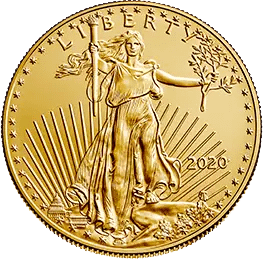
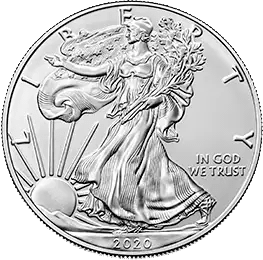
Taking steps now to protect your retirement savings can help reduce exposure to those risks. Physical precious metals offer a way to hold assets outside of the financial system. They do not rely on currency policy, foreign demand for debt, or the stability of global trade agreements.
To learn how physical precious metals in a Gold IRA can help protect your portfolio, call American Hartford Gold today at 800-462-0071.