





SPEAK WITH A SPECIALIST
800-462-0071

I WANT TO

Max Baecker on Fox Business: Why $6,000 Gold May Be Conservative

Max Baecker

  • JPMorgan has issued a $6,300 gold forecast, pointing to substantial upside
  • Bank of America sees silver climbing toward $135 as dollar weakness persists
  • Physical metals offer stability with zero counterparty risk

Precious Metals Regain Strength

During a recent appearance on Fox Business, American Hartford Gold President Max Baecker told Stuart Varney that investors should not confuse short term volatility with a shift in the long-term direction of precious metals.

Following a modest pullback, both metals are regaining momentum. Gold recently traded near $4,941 while silver approached $87, underscoring continued investor demand.

Over the past year, gold has delivered powerful gains while silver has surged even higher. Rather than signaling trouble, the recent correction increasingly looks like a pause within a broader bull cycle.

Why $6,000 Gold May Be the Base Case

When asked about gold’s trajectory, Baecker pointed to institutional forecasts and currency trends.

JPMorgan has issued a $6,300 gold call, leading Baecker to suggest that $6,000 may prove conservative if the dollar continues to weaken and the long running debasement trade remains intact.1

Gold has historically strengthened during periods of monetary expansion and declining purchasing power. As confidence in paper currencies erodes, capital often rotates toward tangible stores of value.

Silver’s Upside Could Surprise

Silver’s outlook may be just as compelling.

Bank of America has issued a $135 forecast, reinforcing expectations for meaningful upside as the year progresses. Because silver typically trades with greater volatility than gold, bull markets can produce accelerated gains.2

Short term resets are common after sharp rallies, but they often help establish the foundation for the next leg higher.

What Happens in a Crisis?

Varney raised a question many investors quietly consider: what happens if the unexpected occurs?

History shows precious metals often reprice quickly during financial stress or geopolitical conflict. Credit disruptions, banking instability, or major international tensions have repeatedly driven investors toward safe haven assets.

In more extreme scenarios, Baecker suggested gold could climb dramatically higher, with silver following closely behind. While no outcome is guaranteed, these possibilities help explain why many investors treat physical metals as portfolio insurance rather than speculative trades.

The Advantage of Physical Ownership

Baecker also emphasized the critical distinction between physical metals and paper exposure.

“There’s zero counterparty risk to physical gold. It has value in the palm of your hand.”

Unlike mining stocks or other financial instruments, physical gold and silver are not dependent on corporate execution, counterparty promises, or financial system plumbing. They represent direct, tangible ownership.

As Baecker noted, investors seeking true protection often prefer owning the asset itself rather than shares tied to its performance.

Max Baecker

Corrections Are Normal in Bull Markets

After an extended run, some cooling was inevitable. Rapid price appreciation can attract momentum driven buyers and temporarily stretch valuations.

These periods rarely mark the end of a cycle. More often, they reset positioning before a continuation higher. With the macro backdrop still supportive, the rebound suggests investor appetite for precious metals remains durable.

Conclusion

Gold and silver continue to demonstrate why they have endured as trusted stores of wealth. Backed by institutional forecasts, pressured currencies, and persistent macro uncertainty, the long-term case for tangible assets remains firmly intact.

For investors, the real risk may not be short term price swings but being underallocated when conditions favor hard assets.

The question is no longer whether volatility will return to markets. It is whether your portfolio is prepared when it does.

Contact American Hartford Gold at 800-462-0071 to learn how physical gold and silver in a Gold IRA can help strengthen and protect your financial future.
Notes
1. https://www.reuters.com/business/finance/jp-morgan-expects-gold-prices-reach-6300oz-by-end-2026-2026-02-02/
2. https://www.kitco.com/news/article/2026-01-05/gold-will-be-primary-hedge-and-performance-driver-2026-silver-could-top-out


Uncertain Fed: Holding Rates, Shifting Leadership

Rate Cuts

Markets React to Fed Moves

Just as markets were settling into expectations for 2026, the Federal Reserve changed the conversation. The Fed held interest rates steady in January, while President Trump named his choice for the next Fed chair. Together, these moves reshaped market outlooks almost overnight and sent ripples through stocks, the dollar, and precious metals.

Why the Fed Is Holding Interest Rates Steady

In late January, the Federal Open Market Committee left the federal funds rate in a range from 3.5% to 3.75%. Policymakers described the economy as expanding at a solid pace. Job gains have slowed, but unemployment has stabilized. Inflation, while down from its peak, remains somewhat elevated.

AHG Blog Chart

1

This decision followed multiple rate cuts since September. Rather than rushing to ease further, the Fed signaled it wants more clarity. Analysts point out that recent economic data has been distorted by the earlier government shutdown and by changes in trade and immigration policies. Those forces are pulling in different directions by nudging inflation higher while also putting upward pressure on unemployment.

Forward guidance reinforced that message. Projections suggest only limited additional cuts in 2026. Growth expectations have been revised higher to around 2.3%. And unemployment is expected to drift toward a full employment estimate near 4.2%. Taken together, this raises the bar for more rate cuts in the first half of the year.2

What a Rate Hold Means for the Economy

Keeping rates in the current range means policy is no longer aggressively restrictive, but it is also not clearly loose. Consensus forecasts now point to moderate growth in the low 2% range, with inflation easing only gradually toward the Fed’s target.

The pause reduces the immediate risk of the Fed keeping interest rates too low or cutting them too quickly, which helped stabilize Treasury markets. It also eased fears that the Fed could respond too late to inflation. Such a delay can increase volatility and force more disruptive rate moves later.

At the same time, both the Fed and private sector analysts warn that deeper forces may keep interest rates structurally higher in the future. Retiring baby boomers and tighter immigration are shrinking the labor supply. Meanwhile, government spending and tax policies continue to push overall demand for goods, services, and labor higher, keeping inflation pressures alive.

Gold, Silver, and a Sudden Shift in Expectations

Coming into 2026, gold was already riding strong momentum after a record-breaking year. Central bank buying remained heavy, and many investors expected interest rates to stay low for a long time. Worries about Fed independence added to gold’s appeal. Silver joined the move later but climbed faster, helped by tight physical supply and its role as both an investment metal and an industrial input.

That strong setup ran into a sudden shift in late January. The Fed’s decision to pause on rate cuts, followed closely by President Trump’s nomination of Kevin Warsh as the next Fed chair, changed how markets viewed the path of monetary policy. Warsh is a former Fed governor known for taking a tough stance on inflation and for criticizing the Fed’s practice of creating large amounts of new money to support the economy.

The shift in expectations triggered a sharp reaction across markets. The dollar jumped, stocks sold off, and precious metals suffered a sudden decline. Gold fell nearly ten percent from its late January peak and silver plunging as much as 31.4%. Even so, this environment remains far more supportive for precious metals than a period when the Fed is actively raising rates. By early February, both gold and silver were already on track to recover those losses.

Looking Ahead Under a Potential Warsh Fed

Recently, Warsh may have modified his views. He has suggested that inflation risks could be overstated and has signaled support for cutting interest rates. As a result, strategists expect that if confirmed, he could push for more easing in 2026 than the roughly 50 basis points currently priced into markets. At the same time, his background reassures bond investors that he could pivot back toward restraint if inflation expectations truly re-accelerate.

For gold and silver, this creates a two-stage dynamic. In the short run, prices may remain volatile as traders who piled in quickly continue to exit their positions. Over the medium term, the outlook remains constructive, supported by lower real rates, a modestly weaker dollar over time, and continued official sector demand for gold.

JP Morgan outlined an upside scenario where gold could trade in an $8,000–8,500 range “in the coming years” if private investor allocations to gold rise sharply in a tight supply and strong central‑bank‑buying environment.3

Conclusion

The Fed’s decision to pause on rate cuts and the announcement of a new Fed chair briefly shook markets, but they did not change the bigger picture. Interest rates remain high, policy uncertainty is still present, and gold and silver continue to play an important role as long term stores of value. Short term price swings can happen, but the forces driving demand for precious metals remain in place. To protect your portfolio with physical precious metals in a Gold IRA, contact American Hartford Gold at 800-462-0071 today.

Notes:
1. https://www.threads.com/@gritcapital/post/DJXJwmbRQat/breaking-fed-leaves-interest-rate-unchanged-as-expected
2. https://www.nuveen.com/en-us/insights/investment-outlook/fed-update
3. https://www.benzinga.com/markets/commodities/26/01/50226074/gold-mania-jpmorgan-strategist-predicts-8500-is-possible-under-this-scenario


Debt Soars at Home and Abroad

Debt Soars at Home and Abroad


  • Government debt is rising in the US and across wealthy nations, creating growing risks for the global economy.
  • Higher borrowing and rising interest costs are straining budgets, currencies, and long-term financial stability.
  • Protecting your finances with physical gold can help safeguard savings during periods of debt and currency pressure.

The Global Debt Squeeze

While attention shifts from one crisis to the next, government debt continues to grow in the background. As it quietly and relentlessly expands, debt now stands among the most serious risks to the United States and the global economy. With borrowing increasing and interest costs rising, the burden is becoming harder to contain.

In the United States alone, the national debt has reached over $38 trillion, roughly 125% of GDP. The debt burden is reshaping how the federal budget works and where money goes. Out of control debt was once the hallmark of third world nations. Now, wealthy nations, including Britain, France, Italy, and Japan, are facing the same simmering crisis. Together, these rising debt levels are affecting markets, currencies, and everyday costs across the globe. 1

Interest Costs Are Taking Over the Budget

One of the clearest signs of stress is how much the US government now spends just to pay interest on its debt. According to new Treasury data, net interest payments totaled $270.3 billion in the first quarter of fiscal 2026, which ran from October through December 2025. Interest payments are now higher than defense spending, which came in at $266.9 billion during the same period.2

Interest spending has surged because high interest rates raise borrowing costs for the federal government. Since the Federal Reserve is in no rush to cut rates, interest payments are going to be one of the fastest growing budget items for years to come.

A Sharp Rise Since the Pandemic

US Federal Interesting Spending Growth

3

Interest spending in fiscal 2025 was 2.5 times higher than pre pandemic levels in 2019. The Congressional Budget Office projects net interest payments will reach $1 trillion in fiscal 2026 and total $13.8 trillion between fiscal 2026 and fiscal 2035.4

Global Debt Pressures Are Growing

The debt problem is not limited to the United States. Rising global debt is now centered in wealthy nations, posing risks to global growth and financial stability.

As governments borrow more, interest rates tend to rise because buyers demand better returns to compensate for growing perceived risk. Rising interest costs increase expenses for business loans, consumer debt, mortgages, and credit cards. They also fuel inflation because higher costs get passed on through higher prices. Large debts limit how much governments can respond to crises such as recessions, pandemics, wars, or climate related disasters.

Harvard economist Kenneth Rogoff warned that Washington has become “addicted” to using debt as a “free lunch” to “borrow its way out of trouble,” and that repeatedly “jumping” public debt higher after each crisis leaves far less room to “save up for the next one,” limiting governments’ ability to spend big and fast in future emergencies.5

Europe and Japan Face Their Own Strains

Across Europe, governments face growing pressure to invest more just to remain competitive.  Even as aging populations drive higher demand for healthcare, pensions, and public services. Britain must modernize aging infrastructure while also funding a strained national healthcare system. Weighed down by debt that’s 138% of GDP, Italy is facing difficult spending choices that have sparked public protests. France continues to struggle with political gridlock, resistance to pension reforms, and a recent credit rating downgrade. All of which are adding to financial uncertainty across the region.

Japan faces a different challenge. Its debt exceeds 200% of GDP. The country relied on near zero interest rates to manage costs. But the Bank of Japan began tightening policy in 2024. Rising yields have caused bond selloffs and higher borrowing costs. Japanese investors, who are the largest foreign holders of US Treasuries, may reduce US bond purchases if domestic yields become more attractive.6

Debt Soars at Home and Abroad

The Dollar and Gold

Debt concerns directly affect currencies. The US dollar index fell to a four-year low. It is weighed down by concerns over US policy unpredictability and signals that Washington may tolerate a weaker currency. The greenback has declined more than 9% in 2025 as confidence in the currency erodes.7

As confidence in paper currencies weakens, investors often turn to assets that have held value over time. This environment has helped fuel a massive surge in gold prices. Gold is widely seen as a store of value during periods of debt stress and currency pressure.

Conclusion

Rising debt, higher interest costs, and pressure on the dollar are reshaping the financial landscape. For many Americans, this has led to a renewed focus on protecting long term savings.

If you want to protect your nest egg with a Gold IRA, contact American Hartford Gold at 800-462-0071. Our specialists can help you understand how physical gold may fit into your strategy during a time of growing national and global debt.

Notes
1. https://www.nytimes.com/2026/01/27/business/economy/government-debt-bonds.html
2. https://www.trtworld.com/article/b31aec272cac
3. https://www.trtworld.com/article/b31aec272cac
4. https://www.trtworld.com/article/b31aec272cac
5. https://www.nytimes.com/2026/01/27/business/economy/government-debt-bonds.html
6. https://www.nytimes.com/2026/01/27/business/economy/government-debt-bonds.html
7. https://www.ig.com/en/news-and-trade-ideas/market-update–dollar-weakness-drives-gold-to-record-highs-260128


Will Gold Hit $6,000 This Year?

Will Gold Hit $6,000 This Year?

Will Gold Hit $6,000 This Year?

Gold’s Path Toward $6,000

Gold’s rally has moved from impressive to historic. It cleared $5,000 an ounce for the first time ever and has even traded above $5,100. It is up more than 12 percent in a month and more than 83 percent over the past year. With that kind of strength, many people are asking a new question. Could gold reach $6,000 before the year ends? Several well-known voices think the answer is yes. Here’s why.

A Changing Economic Landscape

More than one research group has called for gold to reach $6,000 before 2026 is over. Yardeni Research is among the most direct. They are targeting $6,000 by the end of this year and $10,000 by the end of 2029. 1

“History is no guide to the future,” wrote Bank of America analyst Michael Hartnett in a note to clients, “but gold’s average rise during four bullish cycles has been around 300% in 43 months, which means gold could reach $6,000 by spring.”2

Gold’s climb has far outpaced major stock indexes since early 2024. This rise comes in the middle of political tension in the United States, pressure on government debt, global conflicts, and a dollar that has been losing ground. In conditions like these, investors often turn to assets that can hold value even when everything else feels uncertain.

Gold Price Chart

3

Why $6,000 Is Within Reach

Gold’s recent rise is tied to deep global conflict. Recent tensions include U.S. tariff threats on Canada over its China talks, disputes with European nations about Greenland, military actions in Venezuela, and growing unrest in Iran. The rise is political uncertainty fuels a flight to stable assets.

Dollar weakness is also driving gold prices to new records. Wealth Club’s chief investment strategist Susannah Streeter writes, “In this febrile geopolitical environment, gold for now seems to know no bounds.” Analysts point to the impact of high US spending, inflation, and a wave of tariffs that have pulled the dollar lower. A falling dollar makes dollar-priced gold more appealing to buyers in other countries. 4

Some experts also argue that gold is taking over part of the defensive role that long duration government bonds once held. Since 2022, bonds and stocks have moved together more often instead of balancing each other out. Gold is holding up better as a volatility dampener, which is shifting how investors build their portfolios.

Central Bank Buying and Expected Rate Cuts

Central bank demand has been one of the most important forces behind gold’s rise. The official sector has been adding close to 60 tonnes per month. That pace is among the fastest since the early 2010s. Many emerging market central banks want to depend less on the dollar and U.S. Treasuries. Their steady buying offers long term support for gold prices.5

David Roche is a strategist at Quantum Strategy. He said that haven assets will continue to shine as central banks favor holding gold over currencies and a new world order forms in which the United States plays a secondary role.6

Interest rate expectations add another layer. Futures markets are pricing in up to 150 basis points in Federal Reserve rate cuts through 2026. Rate cuts tend to lower real yields. When real yields fall, the appeal of gold increases because investors do not feel the need to compete with rising interest payments elsewhere. Analysts say these rate expectations help create a path toward $6,000.

Momentum and Technical Support Keep Bulls Confident

Technical analysts point out that former resistance around $4,850 has now become support. The $5,000 level is also becoming a new reference point for institutional investors. Even a pullback of 15 to 25 percent would not break the larger uptrend.

Chris Beauchamp of IG noted that limited new supply strengthens the bull case. He said, “What began as a rally built on central bank buying has turned into one of the most spectacular momentum trades of recent years… But with limited sources of fresh supply gold’s scarcity means it could go much further.”7

These signals help explain why several major Wall Street banks have started talking about gold moving toward $6,000 within the next year. They view the jump above $5,000 as part of a healthy price discovery process rather than the end of the rally.

Conclusion

The climb past $5,000 has shifted the tone of the entire gold market. Between geopolitical strain, a weaker dollar, heavy central bank buying, and expected Federal Reserve cuts, the forces behind gold’s rise are strong and broad. Many experts believe these conditions make a move toward $6,000 a serious possibility.

If you want to understand how physical gold held in a Gold IRA can help protect your savings, call American Hartford Gold today at 800-462-0071.

Notes:
1. https://ca.investing.com/news/commodities-news/this-is-when-gold-is-expected-to-hit-10000-according-to-yardeni-4417778
2. https://namaazone.com/en/blog
3. https://www.americanhartfordgold.com/gold-price-charts/
4. https://www.wsj.com/finance/commodities-futures/gold-rises-above-5-000-oz-for-first-time-amid-geopolitical-tensions-
5. https://www.gold.org/goldhub/gold-focus/2026/01/central-bank-gold-statistics-buying-momentum-continues-november
6. https://www.investopedia.com/haven-assets-keep-on-shining-some-experts-think-gold-prices-can-go-to-usd6-000-11891247
7. https://www.msn.com/en-us/money/markets/gold-storms-above-5-000-for-the-first-time-as-global-turmoil-fuels-astonishing-rally/ar-AA1UZCMr?ocid=finance-verthp-feeds


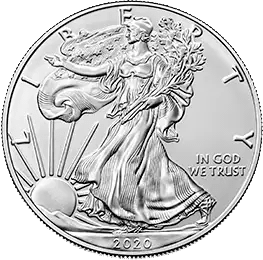
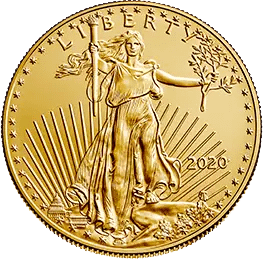
American Eagle 1 oz Silver Coin

First introduced in 1986 as the official U.S. silver bullion coin, the American Silver Eagle is a best-selling coin that celebrated its 30th anniversary in

Billionaire Braces for Capital Wars

Billionaire Braces for Capital Wars


  • Ray Dalio warns that global financial tensions are escalating into capital wars affecting currencies and debt.
  • Trade conflicts, a weakening dollar, and rising inflation increase risks for investors and markets.
  • Holding physical gold can help protect your finances and preserve purchasing power during capital wars.
  • Protecting Wealth Amid Growing Capital Uncertainty

    Billionaire investor Ray Dalio is warning that the global financial system is entering a dangerous new phase. He calls it the rise of “capital wars”. These conflicts go beyond tariffs and trade. They involve money flows, government debt, currencies, and trust between nations. Dalio believes the effects of capital wars can reach everyday Americans. And one of the best ways to defend against their impact, he says, is by holding physical gold.

    What Capital Wars Mean for Investors

    Ray Dalio says capital wars begin when countries and investors lose confidence in each other’s currencies and debt. These pressures build over time and then surface quickly, often during periods of political and economic stress. He has warned that this shift is already underway:

    “The existing fiat monetary order, the domestic political order, and the international geopolitical order are all breaking down, so we are at the brink of wars.” 1

    He points to the dollar’s drop in global reserves as a sign.

    Dalio explained that history shows a clear pattern. When a rising power (China) gets strong enough to compete with a dominant power (the U.S.), financial conflict often follows. These conflicts can reshape the global order and change where capital flows.

    Trade Tensions Are Escalating the Risk

    Trade tensions increased after new tariff threats connected to Greenland. Following those announcements, the U.S. dollar dropped and Treasury prices fell.

    Gold moved higher during the same period, while Bitcoin fell sharply within minutes. This divergence showed how investors respond when uncertainty rises. Capital often moves away from assets tied to confidence and toward assets viewed as safer.

    Europe is not without significant leverage in this conflict. Analysts have outlined several potential countermeasures. They include shelving a pending EU U.S. trade agreement, activating reciprocal tariffs on up to $93 billion of U.S. goods, or using regulatory measures that restrict investment and capital flows.2

    Deutsche Bank has warned that Europe holds over $8 trillion in U.S. assets. If the safety of those assets were threatened, the bank warned that risk aversion could spike.  U.S. Treasury yields could become unstable, and capital could move more aggressively away from U.S. markets. Deutsche Bank noted that while trade disputes may start with tariffs, retaliation can expand into financial markets and escalate into a broader capital conflict.3

    Dollar Weakness and Inflation Pressure

    A weakening dollar is the first shot in the capital wars. The U.S. Dollar Index fell nearly 10% last year, with more losses expected. Several major banks have raised inflation forecasts, increasing concerns about stagflation. Bank of America issued a warning tied to hotter inflation readings and worries about “unprecedented stagflation.”4

    Dalio has echoed similar views. He said fiat currencies and debt are no longer being held by central banks the same way they once were. Foreign central banks are scaling back purchases of U.S. Treasuries, which reduces demand for U.S. debt and weakens confidence in the financial system.

    Why Gold Gains During Capital Wars

    As trust in currencies and government debt fades and trade fears grow, gold has surged. Gold and silver have both hit record highs as the dollar weakened.

    Gold returned 66.2% in 2025, far exceeding stock market gains. Dalio cautioned investors about measuring success only in dollar terms. He warned that depreciating currencies can create a false sense of gains. Instead, investors should focus on real purchasing power.5

    Debt Growth Adds More Pressure

    U.S. national debt continues to climb. It reached $38.5 trillion in 2026, up from $31 trillion in 2022 and $14 trillion in 2010. Foreign governments holding large amounts of Treasurys may become less willing to finance ongoing deficits. Central banks moving to gold shows that, in times like these, countries often prefer hard assets over promises backed by debt.6

    Billionaire Braces for Capital Wars

    7

    Gold Forecasts Reflect Rising Demand

    Major banks have also forecast higher gold prices as capital wars and monetary stress intensify. The highest projections include Jefferies Group forecasting gold at $6,600, Yardeni Group projecting $6,000, and UBS expecting $5,400. These forecasts reflect expectations of continued demand from investors and central banks seeking diversification and protection.8

    Dalio has repeatedly emphasized gold’s role during financial stress. He recommends a 5% to 15% allocation to gold and says it “does very well when other assets don’t do well.” He has also said he personally holds more gold than usual and believes central banks should also increase gold reserves as a hedge.9

    Billionaire Braces for Capital Wars

    Conclusion

    Capital wars are not theoretical. They affect currencies, savings, and long-term wealth. Dalio’s warning highlights how quickly confidence can erode and how deeply those shifts can impact markets.

    Physical gold has a long history as a store of value during periods of currency weakness and global financial conflict. As capital wars unfold, many are looking to physical gold as a way to defend purchasing power and add stability to their portfolios. To learn how precious metals held in a Gold IRA can help protect your retirement, call American Hartford Gold today at 800-462-0071.

    Notes:
    1. https://www.forbes.com/sites/digital-assets/2026/01/20/get-ready-us-dollar-collapse-warning-issued-as-markets-brace-for-gold-and-bitcoin-price-shocks/
    2. https://news.futunn.com/en/post/67650263/bridgewater-s-dalio-warns-trump-s-policies-could-spark-capital?level=1&data_ticket=1767633168921600
    3. https://news.futunn.com/en/post/67650263/bridgewater-s-dalio-warns-trump-s-policies-could-spark-capital?level=1&data_ticket=1767633168921600
    4. https://www.forbes.com/sites/digital-assets/2026/01/20/get-ready-us-dollar-collapse-warning-issued-as-markets-brace-for-gold-and-bitcoin-price-shocks/
    5. https://www.thestreet.com/investing/billionaire-dalio-sends-2-word-warning-as-stocks-sell-off
    6. https://www.thestreet.com/investing/billionaire-dalio-sends-2-word-warning-as-stocks-sell-off
    7. https://www.pgpf.org/article/the-national-debt-will-grow-to-be-twice-the-size-of-the-economy/
    8. https://www.pgpf.org/article/the-national-debt-will-grow-to-be-twice-the-size-of-the-economy/
    9. https://www.cnbc.com/2026/01/20/ray-dalio-fears-capital-wars-could-follow-trumps-actions-with-countries-dumping-us-assets.html


    Tariff Turmoil Sparks Gold Rush

    Tariff Turmoil Sparks Gold Rush

    Tariff Turmoil Sparks Gold Rush

    Flight to Gold Amid Tariff Dispute

    When trade tensions rise, confidence falls, and volatility follows. Recent tariff threats are shaking markets. Investors find themselves reacting not to economic data, but to policy decisions that can change overnight. In response, financial institutions and individuals are once again turning to one of history’s most trusted safe havens: gold.

    Over the weekend, rising geopolitical tensions helped push gold and silver to new all-time highs. Gold climbed above 4,660 dollars per ounce while silver surged past 94 dollars per ounce. These moves represent a rapid flight to safety as trade uncertainty took center stage.1

    Gold Extends Powerful Run

    2

    Tariffs Are Back and Markets Are Reacting

    On Saturday, President Donald Trump reignited trade war concerns with Europe by threatening new tariffs on 8 European nations. The list includes Denmark, Norway, Sweden, France, Germany, the United Kingdom, the Netherlands, and Finland. The proposal calls for a 10 percent tariff that could rise to 25 percent starting February 1. They would remain in place until a deal tied to Greenland is reached.

    European leaders responded quickly. The European Parliament announced it would freeze ratification of the trade deal reached with the U.S. last summer. Some lawmakers have openly discussed retaliation.  And reports suggest the European Union is preparing a 93-billion-euro tariff package aimed at United States imports.

    These developments have added another layer of stress to already fragile markets. Tariff headlines tend to move quickly. Once retaliation begins, the economic impact can spread far beyond the original dispute.

    Why Trade Wars Hit Markets So Hard

    Tariffs do more than raise prices on goods. They disrupt supply chains, complicate business planning, and weigh on growth expectations. Analysts have warned that European retaliation could focus on major United States technology firms, which have been a key driver of recent economic growth.

    The International Monetary Fund recently described the global economy as steady. But it also warned that a flare up in trade tensions remains a clear risk. When policy decisions create uncertainty around future growth, investors often pull back from riskier assets and look for ways to preserve value.

    Investors Move to Safe Havens

    As trade tensions escalated, investors looked for safety. But the usual refuge, the dollar, was not providing it. Confidence in the United States dollar weakened, sending it lower and pushing investors to seek alternatives. The shift helped drive demand for precious metals. Spot gold rose to 4,689 dollars per ounce, up 1.5 percent on the day. While spot silver climbed to 94 dollars per ounce, rising nearly 4 percent.3

    Linh Tran, Senior Market Analyst at XS.com, explained the reaction clearly.
    “Gold’s sharp response to tariff related headlines highlights how market sentiment has shifted… toward policy uncertainty as a primary driver… As soon as the probability of escalation increases, defensive capital tends to move preemptively… In this context, gold functions as a portfolio risk balancing asset.”4

    Gold’s Role During Uncertainty

    Gold’s strength has not been limited to a single trading session.

    David Morrison, Senior Market Analyst at Trade Nation, pointed to a broader issue behind the rally.

    “Despite reduced expectations for multiple Fed rate cuts later in 2026, gold’s upward momentum remained intact… supported by a broader loss of confidence in other U.S. assets.”5

    Over the past year, gold has risen more than 60 percent. Analysts cite global tensions, economic uncertainty, expectations of interest rate cuts, central banks buying gold, and China’s restrictions on silver exports as key drivers.

    Silver Volatility Highlights Market Stress

    Silver has outperformed gold during this period. It is supported by both investor demand and its role in industry. Its recent price action also highlights how sensitive markets are to policy shifts.

    When silver was recently removed from a proposed tariff list covering critical minerals, prices dropped sharply. The move raised hopes that pressure from a supply deficit “short squeeze” might ease. The relief did not last long. As broader trade turmoil continued, silver prices rebounded. Showing that demand remains tied closely to uncertainty rather than a single policy decision.

    Conclusion

    Trade wars and tariff disputes create uncertainty that can be difficult to manage with traditional assets alone.

    Susannah Streeter, Chief Investment Strategist at Wealth Club, summed it up:
    “Gold has hit fresh record highs on its glittering run upwards. The precious metal is holding even more allure as a safe haven as worries spread about the repercussions of the US aggressive trade and geopolitical policies.”6

    If you are looking to protect your funds long term from trade turmoil, physical precious metals may play an important role. Holding gold and silver directly, including through a Gold IRA, can help add stability when markets become unpredictable.

    To learn more about owning physical precious metals and protecting your future, contact American Hartford Gold today at 800-462-0071.

    Notes:
    1. https://www.barrons.com/articles/gold-and-silver-hit-record-highs-on-fresh-tariff-fears-211715c7
    2. https://www.bloomberg.com/news/articles/2026-01-18/gold-rises-to-record-high-after-trump-s-greenland-tariff-threats
    3. https://www.tmgm.com/en-in/analysis/market-insight/article/gold-price-forecast-xau-usd-surges-to-all-time-high-above-4-650-amid-greenland-tariff-threats-202601190011
    4. https://www.kitco.com/news/article/2026-01-19/gold-silver-hit-record-highs-trade-war-fears-spark-safe-haven-rush
    5. https://www.kitco.com/news/article/2026-01-19/gold-silver-hit-record-highs-trade-war-fears-spark-safe-haven-rush
    6. https://www.barrons.com/articles/gold-and-silver-hit-record-highs-on-fresh-tariff-fears-211715c7