












Global Energy Shock Hits Markets Hard
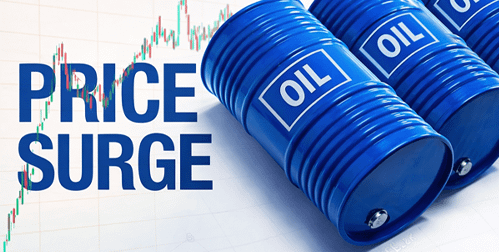
Oil markets erupted on March 9, 2026, as the escalating war between the United States, Israel, and Iran sent crude prices surging. The sudden spike threatened higher prices, tighter budgets, and market volatility, rattling the global economy and potentially your portfolio.
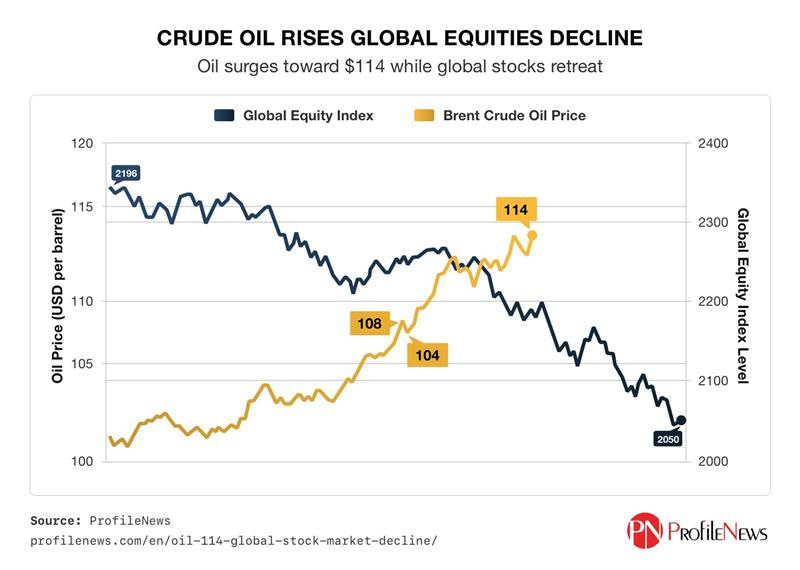
Within days of the conflict expanding, crude prices surged nearly 20 percent. Brent crude jumped above 100 dollars per barrel and briefly approached 120 dollars, marking some of the strongest intraday gains in years.1
The surge came as fears grew that the conflict could disrupt one of the most critical energy corridors in the world, the Strait of Hormuz. The narrow waterway normally carries about 20 percent of the world’s oil and liquefied natural gas shipments. With shipping severely reduced, markets quickly priced in the risk of prolonged global oil and gas shortages.
Oil had already been trending higher before the escalation. But the widening war quickly changed expectations about global supply. Energy analysts warn that continued hostilities and attacks on ships near the Strait could further slow or even temporarily halt exports from Iran and other major Middle Eastern producers.
Energy shocks like this rarely stay confined to the oil market. They can impact inflation, economic growth, and other financial markets around the world.
Oil Shocks Spread
Oil sits at the center of the global economy. Analysts have warned that rising oil prices could push transportation, manufacturing, and food costs higher worldwide. When prices rise rapidly, businesses face higher operating costs while consumers pay more for fuel and everyday goods.
2
The latest shock has not been limited to crude oil alone. European natural gas futures surged as much as 30 percent during the same trading session. Broader energy costs are set to rise across multiple sectors.
Financial markets have already reacted to the surge. Stock futures dropped sharply as crude prices climbed. Dow futures fell more than 1,000 points. European markets also opened sharply lower as traders priced in the economic risks of an expanding Middle East conflict.
Governments around the world are already scrambling to contain the economic damage. Some countries are exploring fuel subsidies, tax cuts, and other emergency measures aimed at softening the blow for households and businesses as energy prices surge.
Rising fuel prices can push inflation higher while slowing economic activity. Together, they create one of the most feared and stubborn economic challenges: stagflation.
Stagflation Concerns Are Returning
Energy shocks have historically been one of the primary triggers of stagflation. As oil prices climb, businesses face higher costs and consumers reduce spending elsewhere. The result can be slower growth paired with persistent inflation.
History offers an important comparison.
During the 1970s, oil supply disruptions and geopolitical tensions helped trigger one of the most difficult stagflation periods in modern history. Crude oil prices roughly quadrupled after the 1973 embargo. U.S. inflation peaked near 13% by 1980. Growth slowed and financial markets struggled through years of instability.3
Portfolios Pressures
This environment can be especially challenging for retirement accounts. They are often concentrated in equities and heavily weighted toward stock funds that thrive only during steady economic growth.
During conflicts like today’s that pressure oil markets, rising costs eat into corporate profit margins. At the same time, tighter household budgets curb consumer spending, creating a negative cycle that fuels stagflation. Volatility across equity markets is the usual result as investors reassess growth prospects and adjust portfolios. The pattern revealed itself as stocks tumbled alongside the recent oil surge.
For retirement savers, moments like this raise important questions about diversification.
Gold During Economic Shocks
Periods of geopolitical conflict and economic uncertainty often lead investors to reconsider how their savings are protected.
During the stagflation of the 1970’s, gold experienced one of the most dramatic bull markets on record. After the Bretton Woods monetary system ended in 1971, gold traded near $35 per ounce. By January 1980, the price had reached roughly $850 per ounce as investors hedged against soaring inflation. That move represented a gain of about 2,300 percent in less than a decade.4
Unlike stocks and bonds, gold does not depend on corporate earnings or economic growth. Because it is a physical asset that cannot be created by governments or central banks, it has historically been viewed as a store of value during inflation, financial instability, and global turmoil.
Conclusion
The sudden surge in oil prices during the latest Middle East conflict highlights how quickly economic conditions can change. Energy shocks can spread through markets, influence inflation, and create new risks for retirement savings.
To protect your retirement funds, consider putting precious metals in a Gold IRA. Learn more by calling American Hartford Gold at 800-462-0071 today.