

















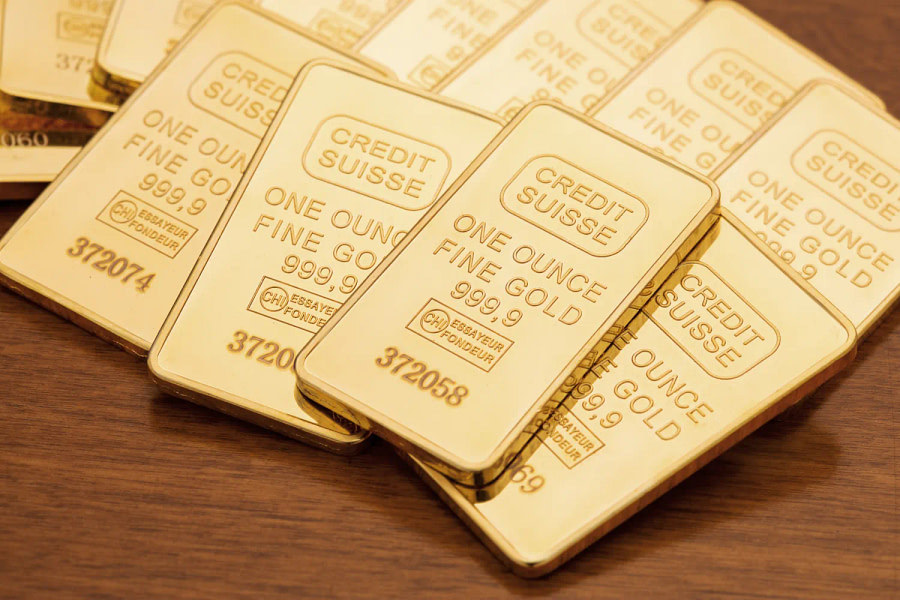
Understanding the weight metric system is important in precious metals, especially pure gold. This article will address this common question: “How many grams are in an ounce of gold?”
It’s important to distinguish between the types of ounces used, as the gold market primarily uses the troy ounce, a unit of measure different from the more common avoirdupois ounce found in everyday life.
We’ll explore the history and usage of the troy ounce, its importance in gold trading, and how it compares to other units of measurement like grams and the standard ounce. By the end of this article, readers will have a clear understanding of gold measurements, aiding novice and experienced collectors in making informed decisions about buying gold coins and bars.
Whether you’re adding to your asset portfolio or satisfying a curiosity about gold, this guide will provide valuable insights into the weight of gold and its significance in the precious metals market.
What Is an Oz Versus an Ozt?
When dealing with gold and other precious metals, distinguishing between “oz” and “ozt” is important, as they represent two different weight measurement systems.
Oz
“Oz” stands for the avoirdupois ounce, a part of the avoirdupois system of weights commonly used in the United States and worldwide for everyday items. One avoirdupois ounce equals approximately 28.3495 grams. This system is predominantly used for goods, not precious metals, such as groceries and postal items.
Ozt
On the other hand, “ozt” stands for the troy ounce, a unit of measurement used explicitly for precious metals like gold, silver, platinum, and palladium. One troy ounce equals 31.1035 grams, making it heavier than the avoirdupois ounce.
The troy weight system, which includes the troy ounce, originated in the Roman monetary system and has been used throughout history, especially in Europe during the Middle Ages, for the trading and weighing of precious metals. This system ensures a standardized measure for precious metals, which is essential for accurate pricing and trading in global markets.
Understanding the difference between these two units is essential for collectors of precious metals to assess the weight accurately and, thereby, the value of their holdings. While “oz” may be more familiar in everyday use, “ozt” is the standard measure within the precious metals market, reflecting the historic and ongoing significance of the troy system in ensuring uniformity and fairness in the trade of gold and other valuable metals.
Why Does Oz vs. Ozt Matter?
The distinction between “oz” (avoirdupois ounce) and “ozt” (troy ounce) matters significantly in the world of precious metals for several reasons, primarily due to the precision required in measuring and valuing these commodities.
Here’s why this distinction is important:
- Accuracy in Pricing: Precious metals like gold and silver are priced per troy ounce on global markets. Using the correct unit of measurement is essential for accurate pricing. Since a troy ounce is heavier than an avoirdupois ounce, mistaking one for the other could lead to significant discrepancies in the valuation of a metal, potentially resulting in financial loss or overpayment.
- Standardization in Trading: The precious metals market operates globally, requiring a standardized measurement system to facilitate international trade. Using troy ounces ensures that transactions are based on a universally accepted unit, eliminating confusion and ensuring consistency across borders.
- Historical Continuity: The troy ounce has a long history of use in the trade of precious metals, dating back to the Roman monetary system. This historical continuity is preserved in the modern trading of gold and silver, linking to the past and maintaining traditional practices in valuing and exchanging these metals.
- Investor Confidence:For collectors, the precision offered by the troy weight system is fundamental to accurately calculating their holdings’ worth. This accuracy bolsters confidence in investing and collecting precious metals, ensuring enthusiasts can reliably assess their assets’ value.
Understanding the distinction between these two units of measurement ensures fair and precise transactions in the precious metals market. This clarity supports the market’s integrity and protects the interests of all participants, from individual collectors to large-scale investors.
What Is a Troy Ounce?
A troy ounce, abbreviated as “ozt,” is a unit of measure traditionally used in the precious metals market to weigh gold, silver, palladium, and other precious metals. It differs from the more commonly known avoirdupois ounce used for everyday items like groceries.
Here’s a deeper look into what a troy ounce encompasses:
- Weight: One troy ounce equals 31.1034768 grams, making it heavier than the avoirdupois ounce, which weighs 28.3495 grams. Although slight, this difference is critical in trading precious metals, where accuracy and precision are paramount.
- Usage: The troy ounce is the standard measurement unit globally in the precious metals market. Gold, silver, and other precious metals are typically quoted per troy ounce in financial markets, commodities exchanges, and investment sectors. This standardization facilitates the clear and consistent pricing of precious metals across international borders.
- Importance: Using the troy ounce in measuring precious metals ensures that collectors and traders speak the same language regarding the weight and value of these commodities. It supports fair trading practices and provides a universally accepted standard that underpins the global trade in precious metals.
What Is the History of Troy Ounces for Precious Metals?
The troy ounce’s history as the standard unit of measure for precious metals is rich and enduring, deeply intertwined with commerce and trade across civilizations. Its origins can be traced back to the Roman monetary system, where bronze bars were broken into twelve pieces called “uncia” or ounce, laying the groundwork for the troy ounce we use today. This system was adopted and refined through the ages, evolving alongside the trade routes of medieval Europe.
Troyes, a prominent trading town in France during the Middle Ages, is credited with giving the troy ounce its name and perhaps its early standardized form. European merchants gathered in Troyes to trade spices, silks, and precious metals like gold bars and coins. The need for a standard weight system to facilitate these transactions was crucial, and the troy weight system emerged as the solution, becoming widely accepted for weighing precious metals and gemstones.
This system was officially adopted in England in the 15th century, further solidifying its use in the precious metals market. The British Royal Mint and other mints have since used the troy ounce to weigh and produce gold, silver, and platinum coins and bars. Its adoption by the London Bullion Market Association (LBMA) and other international trading bodies has cemented its status as the global standard for precious metals trading.
The troy ounce’s significance represents a historical continuance, linking American modern markets and all ancient trade networks that shaped the world’s economic foundations. Its continued use in the precious metals industry underscores the importance of tradition and consistency in global trade practices, ensuring that the value of these timeless assets is measured with precision and respect for their rich history.
How Many Grams Does an Ounce of Gold Contain?
Remember, when referred to in the context of precious metals, an ounce of gold is measured using the troy ounce, a unit of measurement that is not the same as the standard ounce used in everyday scenarios. The troy ounce has been a standard measurement in the world of bullion trading and coinage for centuries.
One troy ounce of gold contains exactly 31.1035 grams. This precise measurement ensures uniformity and fairness in the trading of gold across global markets.
How Can You Buy Gold?
Buying gold is a strategic move for diversifying your assets and safeguarding against economic fluctuations.
Here are the essentials for getting started:
- Select Desired Gold: Choose between gold bars or rounds based on your preference for collectibility versus cost efficiency.
- Physical or Securities: Decide if you want to hold physical gold or obtain a Gold IRA.
- Find a Reputable Dealer: Find established dealers with transparency and positive feedback. American Hartford Gold offers a range of options and expert guidance.
- Understand Pricing: Gold prices are influenced by the spot price, plus a premium that covers various costs.
- Storage and Insurance: Plan for secure storage and consider insurance to protect your investment against loss or theft.
- Gold IRAs: Consider opening a Gold IRA for a tax-advantaged way to include gold in your retirement planning.
- Stay Informed: Keep up with market trends and economic indicators to make informed buying or selling decisions.
American Hartford Gold provides expertise and a selection of gold products, helping new and seasoned collectors buy gold effectively.
The Bottom Line
Understanding the weight of gold in grams and the significance of the troy oz is important for collectors. Knowing the difference between an avoirdupois ounce and a troy ounce ensures accurate valuations and transactions in the precious metals market. Appreciating the historical legacy of the troy ounce system will aid in considering it in your investment strategy.
For those looking into purchasing gold, American Hartford Gold offers expert guidance, quality service, and a diverse selection of gold products to meet your investment needs. Contact us today and trust American Hartford Gold as your partner when buying gold as an asset.
Sources:
Troy Ounce: Definition, History, and Conversion Table | LiveWell
Understanding The Importance Of Troy Ounce Purity | FasterCapital
Rome: A Thousand Years of Monetary History | American Numismatic Society