

Key Takeaways:
- Pure gold is chemically “noble,” meaning it doesn’t react when exposed to oxygen or moisture, and therefore doesn’t rust in the same way iron does.
- Gold rarely forms tarnish on its own.
- Most color changes result from the addition of other metals to gold alloys, such as copper, silver, nickel, zinc, or palladium.
Some people notice that their rings or chains appear darker over time due to regular wear, which can be upsetting to see.
So, does gold tarnish or rust? The short answer is no. Pure gold does not rust, and it rarely tarnishes. However, it’s important to note that most jewelry is not pure.
Jewelers mix pure gold with other metals to enhance its hardness and alter its color. Those extra additions allow jewelry makers to set stones securely and build durable clasps. In this guide, you’ll explore gold’s reputation, the difference between rust and tarnish, and more.
What To Know About Pure Gold
Gold’s reputation for permanence stems from its chemistry.
On the periodic table, it sits among the noble metals that do not react when in contact with air or water. This stability is why archaeologists can pull ancient gold from the ground with its shine still intact. When people use the word “rust,” they typically mean the reddish flakes that can be found on iron.
Gold cannot rust because rust is iron oxide, and there is no iron in pure gold. The word “tarnish” is more accurate when discussing precious metals, but pure gold resists that, too, when kept under normal conditions. It would take extremely harsh chemicals to transform pure gold into a tarnished state, chemicals that most of us never encounter in our day-to-day lives.
Since most jewelry is not 24 karat, the question becomes: how will the mix of metals affect the surface of the piece? Jewelers rarely use pure gold for rings or bracelets because it bends too easily. They add copper, silver, nickel, zinc, or palladium to strengthen the metal and control the color it will take on.
Those alloy metals sit at the surface of the jewelry item, and they can react in a way that gold would not. This is why a ring may appear darker after a long summer, especially if it was worn often, or be slightly dull around its clasp. The gold itself remains stable; it’s the metals the gold is combined with that can impact its state.
Gold’s Chemistry and Behavior
Chemists refer to gold as “noble” because its atoms hold on to their electrons very tightly. Oxygen in the air cannot easily take those electrons and build an oxide the way it does with iron or aluminum.
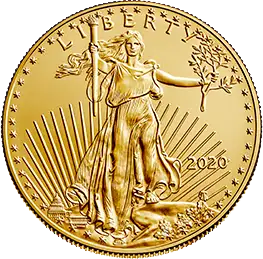
This is why many gold coins from centuries ago still display clear designs once they are properly cleaned. Even the thin oxide layers that form on gold in harsh lab conditions tend to be unstable and disappear when the piece returns to normal conditions.
What’s the Difference Between Rust and Tarnish?
Rust is a flaky iron oxide often found on steel beams or metal chains. Tarnish is a thin film that sits on top of a metal and changes how light reflects off of it. Silver tarnish is caused by sulfur in the air, forming a dark sulfide that can be wiped away.
When someone describes a gold ring as “rusted,” they typically mean they are witnessing a change in color on its surface. The cause is almost always a reaction involving the alloy metals found in karat gold, not the gold itself.
Karat Gold Alloys
24 karat is essentially pure gold. 18 karat is 18 parts gold and six parts other metals. 14 karat is 14 parts gold and 10 parts alloy. Those other parts do the heavy lifting when it comes to strength and color. The more alloy that exists in the mix, the more it can influence the surface. This is why two rings that look similar in the display case can age differently once worn.
Designers rely on various metals throughout the production process. Each metal type affects the color differently. Copper shifts the blend towards a rose color. Silver leaves it a softer yellow. Nickel and palladium cause it to appear white.
How Does the Karat Scale Work?
People often believe a higher karat means more durability, but that isn’t actually the case. 22- or 24-karat gold offers the richest color and the strongest chemical resistance. At the same time, the high purities are softer, which means bands are likely to scratch more easily over time, especially if worn daily.
Jewelers help combat this issue by implementing design choices like wider shanks or protective bezels. 14 karat and 10 karat blends put more alloy into the mix. Alloy metals like copper and zinc now play a larger role.
When exposed to humidity or certain products, those metals can form thin films that look like tarnish.
How Do Alloy Metals Change the Surface?
Copper tends to react with both oxygen and sulfur. In a ring with a healthy amount of copper, the metal surface is much more prone to forming surface films in certain environments. You might see a faint shadow around the edges of the piece after spending a long day outside or observe darkening near the clasp, for example.
Silver can also form tarnish when exposed to air that carries sulfur compounds. This is why sterling silver requires special care. Nickel and zinc behave much differently. They help produce white gold and improve castability, but they can make a piece more sensitive to elements found on the skin.
As a result, some may notice a faint green mark appear on their finger when wearing their jewelry. This happens when a ring traps moisture against the skin and dissolves a trace of copper or nickel from its metal mix. Others may never see a change at all. Body chemistry varies from person to person.
Secure Your Gold Collection With AHG
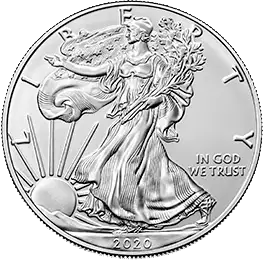
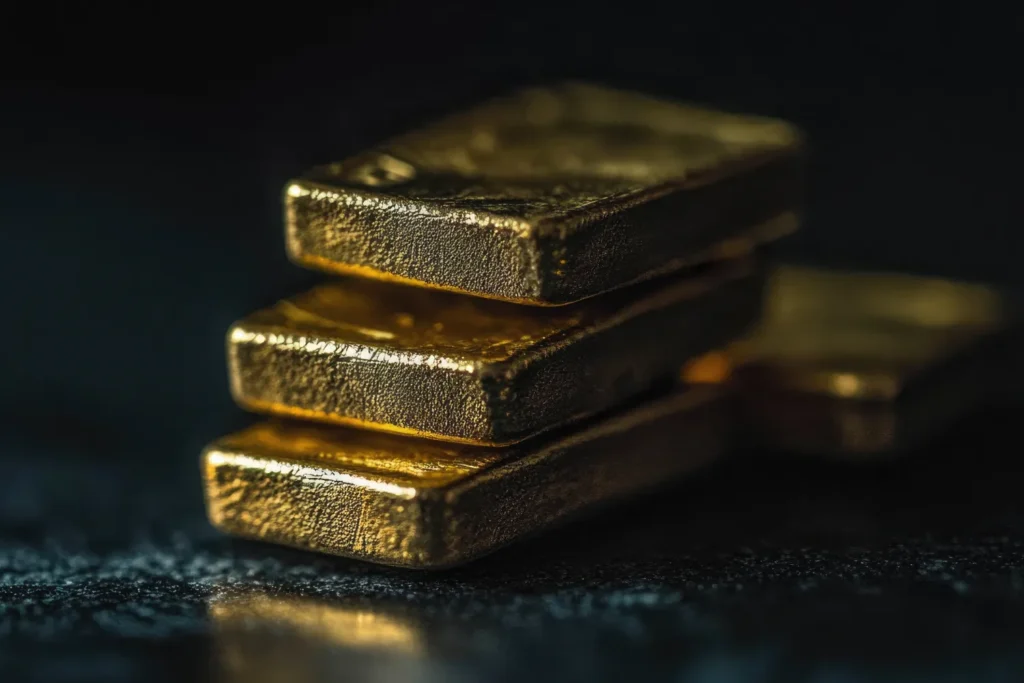
Gold does not rust, and pure gold rarely tarnishes, making it a popular choice for those searching for jewelry or coins that will hold up over time. At American Hartford Gold, there are numerous gold bars and coins for clients to choose from. We’ll even help you place them in a Gold IRA.
Gold is a tangible asset that is not only durable, but also maintains its worth during rough market times. Whether you’re a new collector, a seasoned one, or just looking to diversify your retirement portfolio with a healthy asset mix, our team is ready to assist you.
FAQs
Does pure gold ever change color?
In conditions where air and water are behaving normally, 24k gold remains stable. Extreme chemicals in laboratory settings can form compounds that affect gold’s composition, but these harsh substances are not common outside of those settings.
Additionally, the color changes most people see on their jewelry over time stem from alloy metal reactions and are not connected to the pure gold itself.
Why did my finger turn green under my gold ring?
That green mark typically comes from the copper or nickel in the alloy reacting with moisture and other elements on the skin. This is much more common with lower karat blends.
Are gold-plated pieces more likely to tarnish?
Gold-plated items include a thin layer of real gold over a base metal core. The layer is resistant to tarnish across the whole surface, but wearing it often can expose the core at the edges. The contrast mimics discoloration even though the gold remains intact.
Do gold coins or bars ever rust while in storage?
No. Rust requires iron, and there is no iron in gold coins or bars. High-purity pieces resist surface changes very well. However, alloys that include small amounts of copper or silver can form a subtle film over long periods of time, depending on the environment(s) the piece is exposed to.
How do I tell the difference between rust and tarnish?
Rust is a flaky iron oxide that is often found on steel beams or metal chains when they are exposed to the elements. Tarnish is a thin film that sits on top of a metal and changes how light reflects off of it. Silver tarnish comes from sulfur in the air and forms a dark sulfide that can be wiped away easily.
Sources: