

Silver’s Building Momentum
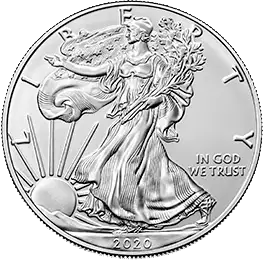
Silver is reaching levels we haven’t seen in years, and even as the market swings, the trend points toward more upside ahead. After recent volatility, the market pushed silver past $54 per ounce before pulling back. Yet prices remain firmly above $50. That resilience speaks volumes. With industrial demand surging, structural supply deficits continuing, and investors treating silver as both a strategic asset and key industrial metal, momentum is building.
Ole Hansen is Head of Commodities Trading at Saxon Bank. He said, “Silver has delivered an astonishing comeback, nearly reaching a fresh record high after tumbling 16% and fully recovering within just four weeks. Investors are increasingly seeking tangible assets supported by tight supply amid concerns over economic worries.”1

2
Critical Mineral Designation: A Game Changer for Silver
In November 2025, the U.S. Geological Survey officially added silver (along with copper) to its list of critical minerals. That designation means silver is vital to both industry and national security, but that U.S. production does not currently meet demand. In fact, domestic silver production covers only about 30 percent of U.S. needs. The shortfall makes the country vulnerable to supply disruptions and foreign dependence.
What could this mean for the silver market? First, more U.S.-based silver projects may qualify for federal tax credits. The Trump-era administration has also made direct equity investments into critical metals. Private investors are poised to follow.
Another intriguing possibility: the U.S. may begin stockpiling silver to build a strategic reserve. That would add a steady, government-driven source of demand. There is also talk of new trade measures. The administration may consider tariffs for silver, just as it previously did for copper.
All told, the new designation adds the weight of government support behind silver prices.
The Federal Reserve’s Role
Silver’s future is also being shaped by the Federal Reserve. The Fed made a 25 basis-point rate cut recently. But its tone remains cautious, signaling a “higher for longer” approach. That stance supports a strong U.S. dollar and elevated real interest rates. Both of which put pressure on silver since it does not earn interest. Because of this, volatility increased as investors sold to take profits.
If the economy weakens or the Fed shifts toward more dovish policy, silver could get a fresh boost. In that scenario, its traditional role as a safe-haven asset might re-emerge. And over the longer term, persistent inflation or signs of economic distress could further support silver’s appeal.
London Market Squeeze: The Hidden Factor
One of the more powerful but less widely discussed drivers of silver’s rally is a liquidity crunch in London. In October 2025, unallocated silver inventories in London fell to record lows. To fill the gap, over fifty-three million ounces of silver were flown in from New York, Shanghai, and other global hubs. That relieved some pressure, but not enough to erase the tightness.3
What made matters worse: high industrial demand, ETF withdrawals, and strong borrowing activity put stress on vaults. Premiums on silver rose, borrowing costs spiked, and physical supply remained scarce. Because London is a global center for silver clearing and storage, its shortage drove price swings. Even with ongoing imports into early November, the core problem has not gone away. The structural supply constraints are real, and they are supporting silver’s higher price.
Looking Ahead
Analysts are increasingly bullish on silver heading into 2026. Forecasts range as high as $65 per ounce. The optimism is underpinned by tight supply, strong industrial demand, and potential interest rate cuts. Silver’s market is also smaller and less liquid than gold. Small shocks can have outsized impacts. In other words, when conditions favor silver, its gains could be sharp.4
The gold/silver ratio underscores that case. The gold/silver ratio shows how many ounces of silver it takes to equal the price of one ounce of gold. When the ratio is high, silver is considered inexpensive compared to gold. When it’s low, silver is seen as more expensive. Currently, it sits above historical norms and looks undervalued compared to gold.
Comparatively, silver is up 67 percent this year, while gold has risen about 40 percent. Major institutions have raised silver price forecasts based on these dynamics. And that could translate into strong relative gains for silver.
Conclusion
Silver’s ascent has been rolling in like a strong tide. Even with waves of volatility coming and going, the metal continues to rise. Any dips along the way can offer buying opportunities for long-term investors. With its role as both a precious metal and an industrial driver, silver remains a strategic asset backed by strong fundamentals and steady demand. To learn how adding physical silver to a Gold IRA can help protect and potentially grow your portfolio, call American Hartford Gold today at 800-462-0071.