






Precious Metals Continue to Rise
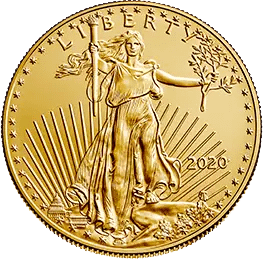
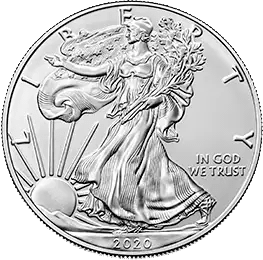
Gold and silver are once again breaking out. While gold traditionally attracts the spotlight, silver is proving it deserves more attention in today’s market environment. Both metals are soaring as Federal Reserve policy shifts, geopolitical tensions, and growing investor demand combine to push prices higher.
Gold and Silver at New Highs
Gold and silver are both surging to levels not seen in years. Over the past three years, both metals have more than doubled in value. This year alone, gold has climbed over 34% on safe-haven demand tied to trade uncertainty and geopolitical tensions. Gold closed the week above $3,440 an ounce. Its highest in more than four months and near April’s record above $3,500.
Meanwhile, silver has gained nearly 40% year to date. It broke past $40 for the first time since 2011. The momentum of the ongoing multiyear bull market in precious metals has been bolstered by expectations of Federal Reserve rate cuts.1

2
Rate Cuts and Gold
The latest surge has been fueled by expectations that the Federal Reserve will cut interest rates at its September meeting. Gold prices usually rise when interest rates are cut because lower borrowing costs make non-yielding assets like gold more attractive to investors.
A buy signal in gold was triggered after recent dovish comments from Fed Chair Jerome Powell. Powell indicated that he is now more focused on slowing economic growth and a weakening labor market than on aggressively returning inflation to the 2% target.
This stance was reinforced by the U.S. Department of Commerce inflation report. The Core Personal Consumption Expenditures (PCE) index rose 2.9% in the 12 months through July. That was in line with expectations. Despite persistent inflation, markets are almost fully pricing in a 0.25% rate cut.
Weak labor market data is also expected to support higher gold prices. Bill Adams is Chief Economist for Comerica Bank. He explained that if the August jobs report shows hiring remains soft, it will likely clinch the case for a September rate cut. San Francisco Fed Bank President Mary Daly also reiterated support for easing, given risks to the labor market. Traders now see an 87% chance of a 25-basis-point cut later this month, according to CME FedWatch.3
Technical Breakouts and Other Influences
Saxo Capital Markets noted that key resistance levels of $3,450 for gold and $40 for silver were breached, triggering momentum buying.
Geopolitical uncertainty continues to add bullish momentum. The Russia-Ukraine conflict shows no signs of resolution. Germany and France are now pushing for secondary sanctions on nations supporting Russia’s invasion. That includes China and India.
Tariff uncertainty is also in play. Silver was recently added to Washington’s list of critical minerals, alongside palladium. An appeals court upheld a ruling that found a significant portion of Trump’s tariffs illegal. While tariffs remain in place until mid-October, the uncertainty has weighed on the U.S. dollar and boosted gold.
President Trump’s ongoing conflict with the Federal Reserve is another factor. He is trying to exert more control over the policy committee. Some analysts say that is weakening confidence in the U.S. dollar as the world’s reserve currency. In turn, further supporting demand for gold.
Investment Demand for Gold and Silver
Institutional and sovereign investors are also supporting the rally. A sign of growing institutional gold demand was seen with Harvard’s multi-billion-dollar endowment fund. They established a sizable position in SPDR Gold Shares (GLD), the world’s largest gold-backed ETF.
Silver is also seeing renewed institutional interest. A 13F filing revealed that the Saudi Central Bank invested $30.5 million in iShares Silver Trust (SLV) and nearly $10 million in the Global X Silver Miners ETF (SIL). This demonstrates silver’s appeal as more than just an industrial play. Analysts highlight silver’s relative value to gold. The historical gold/silver ratio average is between 50 and 60. Today, it is hovering above 86. That means there is ample room for growth. 4
Traditionally, silver’s smaller market size has limited institutional participation. Making it more volatile. Instead, retail investors have long been the primary buyers. The are attracted by its affordability compared to gold. The recent entry of a sovereign wealth fund into silver could prove to be a game-changer for the market.
Looking Ahead
December gold futures were last trading at $3,511.50 an ounce. Analysts note that gold is rallying in part because markets are beginning to price in stagflation, sluggish growth paired with persistent inflation.
Chantelle Schieven is Head of Research at Capitalight Research. She stated that the U.S. dollar’s reputation as the world’s reserve currency is being damaged. Because of this, “there is no telling how high gold prices can go.”5
Conclusion
Gold and silver are poised to go higher for a variety of reasons. Central bank policy to geopolitical uncertainty and shifting investor demand are all pushing in the same direction. Now may be the time to consider how adding physical precious metals, especially in a Gold IRA, can protect and potentially increase the value of your retirement savings.
Learn more today by calling American Hartford Gold at 800-462-0071.