







Inflation is an ongoing economic force that reduces the value of money over time, causing prices for things like groceries and housing to rise. As the cost of living rises, it can be harder for individuals and families to maintain their financial stability.
Whether inflation is slow or prices are rising quickly, it’s important to know how to manage your money. Fortunately, there are steps you can take to protect your finances from periods of high inflation. This article offers eight practical tips for securing your money with valuable advice you can start using today.
1. Build Your Emergency Fund
An emergency fund acts as a financial safety net, providing you with the resources to handle unexpected expenses during times of economic uncertainty. By ensuring you have access to liquid savings, you can avoid relying on high-interest debt when unexpected costs arise.
Keeping your emergency fund in a high-yield savings account is an effective way to keep it safe while earning some interest. Unlike other assets, a savings account ensures your money is accessible when you need it most.
2. Reevaluate Your Budget
Inflation affects your spending power, so it’s smart to reevaluate your budget regularly. Even small price increases, like slightly higher interest rates, can significantly impact your monthly expenses.
Stay on top of your spending and find areas to cut back. By regularly reviewing your budget and adjusting it to compensate for the impact of inflation, you can take better control of your finances and ensure that you stay on track to meet your financial goals.
3. Pay Down High-Interest Debt
High-interest debt credit card balances, for example, can become even more burdensome during times of inflation. As the cost of living increases, keeping up with high-interest payments is more difficult. The balances can grow quickly and leave you in a mountain of credit card debt.
Paying off high-interest debt in the short term is helpful for freeing up cash flow. When inflation rises, money loses value, making the interest you pay on debt more important. One personal finance hack is the debt avalanche method (paying off the highest-interest debts first), which is an effective strategy for managing debt during inflation.
4. Automate Your Savings
Automating your savings can be a powerful way to maintain financial stability during inflation. By setting up automatic transfers to your savings accounts, you make saving a regular habit, which helps you stick to your financial goals, even when inflation causes uncertainty.
Set up automatic transfers from your paycheck to savings accounts or retirement funds so that you pay yourself first before spending. For example, automating monthly contributions to a retirement account or taxable brokerage account allows you to take advantage of dollar-cost averaging, reducing the impact of market fluctuations.
5. Eliminate Non-Essential Spending
As inflation rises, so do the prices of goods. Eliminating non-essential spending can help you preserve more cash for necessities. While prioritizing financial planning may require lifestyle adjustments, cutting unnecessary expenses will help you adjust to rising prices. Take a closer look at your discretionary spending and identify areas where you can cut back.
This could include limiting dining out, subscription services, and entertainment expenses. Even small cuts can add up over time, freeing up more resources to help combat the effects of inflation. Cooking meals at home instead of ordering takeout reduces food costs, and canceling subscriptions, like Netflix, can make a noticeable difference as well.
6. Diversify Your Portfolio
When inflation rises, certain assets, like stocks and bonds, can lose value, while others may increase in price. To protect your wealth from rising inflation, you should spread your purchases across multiple asset classes — this reduces risk.
Real estate investment is often considered a solid inflation hedge because property values tend to rise as inflation pushes up the cost of construction and materials.
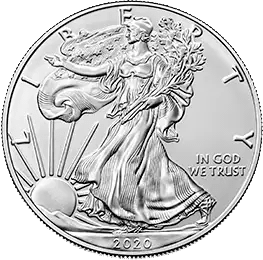
Similarly, precious metals like gold and silver have long been viewed as safe-haven assets during times of economic instability. Paper money can be devalued by central banks printing more currency. Gold and silver are known to hold their value over time, even when inflation drives down the purchasing power of cash.
It is also smart to balance high-risk purchases with more stable options. Equities, for example, can offer strong growth potential, but they are more volatile during inflationary periods. A diversified portfolio should include a healthy mix of assets.
7. Protect Your Retirement Funds
If you are nearing retirement, ensure your portfolio is tuned to provide a stable income while protecting your purchasing power. Inflation can significantly impact fixed-rate purchases, so making adjustments that preserve both value and income is important.
Increasing your contributions to retirement accounts, such as a 401(k) or securing your money with a Gold IRA, can help offset the effects of inflation on your retirement savings. Many retirement accounts also offer tax advantages, allowing you to save money on taxes while growing your funds.
8. Stay Informed and Adjust Your Strategy
Staying informed about the economic environment is key for protecting your finances during inflation. Keep an eye on inflation indicators, central bank policies, and shifts in the stock market so you can make the necessary adjustments to your financial strategy.
Inflation trends and interest rates directly affect your spending and saving. Stay updated on news about the Federal Reserve (also known as the Fed) and the decisions they’re making, as these decisions have a major impact on the cost of borrowing and the potential for inflation to continue increasing.
The more proactive you are, the better you can shield yourself from the negative effects of inflation. Adjusting your portfolio based on the rate of inflation will help you maintain financial stability, even during uncertain times.
Secure Your Wealth With Precious Metals
During times of inflation, one of the best ways to protect your wealth is by acquiring assets that hold their value. Gold and silver have long been known to do so, particularly during inflationary periods. As inflation weakens the purchasing power of currency, precious metals often rise in value, providing a hedge against economic instability.
American Hartford Gold can help you diversify your portfolio with physical gold and silver, ensuring that your wealth is protected during rough times. We are committed to helping clients weather periods of higher inflation and secure their financial future.
Sources:
Inflation: What It Is and How To Control Inflation Rates | Investopedia
Do Changes in Interest Rates Affect Consumer Spending? | Investopedia
Bad At Budgeting? Try This Banking Trick Instead | NerdWallet