

The U.S. economy continues to grow slowly. But it is doing so under historic strain. In 2025, federal government gross debt surpassed $38 trillion, an all-time high once considered unthinkable. 1 The cost of servicing that debt is now one of the fastest-growing items in the federal budget. It is diverting resources from education, infrastructure, and economic support. At the same time, it is increasing long-term inflationary pressure. Rising debt levels also risk crowding out productive investment and pushing borrowing costs higher over time.

2
Meanwhile, inflation, while lower than its post-pandemic peak, remains above the Federal Reserve’s long-term target. It continues to steadily eroding purchasing power. Prices for essentials such as food, housing, insurance, and healthcare continue to rise faster than many wages. Quietly shrinking what household savings can buy. Inflation rarely announces itself loudly, but its effects are felt every day.
Meanwhile, the labor market has cooled. In 2025, the unemployment rate climbed to approximately 4.6%, its highest level since 2021. 3 Consumer confidence declined sharply, falling to multi-month lows as high prices and job uncertainty weighed on households. Slower hiring, elevated costs, and persistent uncertainty have made financial security feel more fragile for millions of Americans.
Protecting wealth today isn’t about pessimism. It’s about recognizing that risks have shifted and adjusting accordingly.
Resolve to Own Something Real
Much of the modern financial system is built on promises: stocks depend on earnings, bonds depend on repayment, and currencies depend on policy discipline. When confidence is high, those promises feel solid. When confidence fades, they can change quickly.
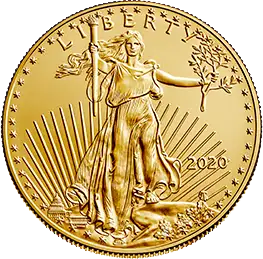
That reality helps explain why central banks around the world continue to increase their gold holdings. According to the World Gold Council, central banks added over 1,000 metric tons of gold in each of the past three years. Their pace is well above historical averages and one that reflects a deliberate shift toward tangible reserve assets. A 2025 World Gold Council survey also found that 76% of central banks expect their gold holdings to increase over the next five years, underscoring gold’s role as a trusted store of value amid rising debt, geopolitical uncertainty, and shifting monetary policy.4
In an era defined by expanding debt, rising deficits, and policy uncertainty, many are re-evaluating what it means to truly own an asset, rather than simply hold a claim on one. Owning physical gold is a way of betting on yourself instead of the system.
Resolve to Reduce Financial Stress
For millions of Americans, financial stress is a fact of daily life. Total U.S. household debt now exceeds $18 trillion, the highest level on record. Credit card balances alone have climbed to roughly $1.2 trillion, as families rely more heavily on revolving credit to cover everyday expenses. Delinquencies on credit cards and other consumer loans continue to trend upward, signaling growing strain across households.5
Debt pressure is showing up across the economy. Corporate bankruptcies surged in 2025 to their highest level since the Great Recession, reflecting the burden of higher costs, tighter credit, and persistent inflation. Personal bankruptcy filings have also increased as consumers struggle to keep up with debt obligations.6
Market volatility adds another layer of anxiety. While major U.S. stock indexes reached record highs in 2025, those gains have been increasingly concentrated and disconnected from broader economic participation, earnings growth, and manufacturing activity.
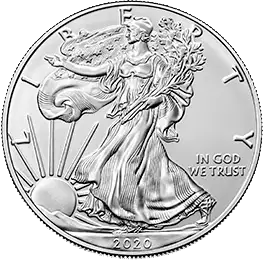
Diversification is meant to protect your portfolio when markets shift unexpectedly. With stocks and bonds now often moving in the same direction, the old 60/40 approach no longer offers the security it once did. For many investors, allocating a portion of their savings to physical precious metals provides stability when other assets feel increasingly unpredictable.
Peace of mind has value, too.
Resolve to Think Long-Term Again
Modern markets encourage short-term thinking: daily headlines, quarterly earnings, constant motion. But wealth is rarely built, or protected, by reacting to every swing.
Gold has served as a store of value for centuries not because it generates headlines, but because it endures. It doesn’t depend on economic cycles, political promises, or investor sentiment to exist.
Thinking long-term means preparing before the next disruption, not after it. History shows many Americans wish they had diversified earlier, before inflation surged, before debt ballooned, before volatility returned.
Conclusion
For 2026, along with resolving to protect your health, commit to safeguarding your wealth, too. Owning physical precious metals can help you can protect what you’ve built and reduce financial stress. When held in a Gold IRA, you also gain long-term, tax-advantaged protection. Contact American Hartford Gold today at 800-462-0071 to learn more.