







Inflation Returns with Force
War in the Middle East is pushing inflation back into focus. After U.S. and Israeli strikes on Iran, the Strait of Hormuz was shut down, disrupting a key route for global oil. Energy prices surged, and the effects are now moving through the broader economy.
Higher fuel costs do not stay at the pump. They raise the cost of shipping, travel, and production, which then show up in everyday expenses. Gas prices have jumped from $2.98 to about $4.14 per gallon in just weeks, with diesel climbing even higher. Households already dealing with elevated costs are starting to feel that pressure more directly.1
Markets have begun to react. Major indexes have slipped into correction territory as inflation concerns return. Economists expect energy-driven price increases to continue into 2026, even if supply routes reopen.2
Rising inflation like this can erode purchasing power over time, making it an important moment to consider protecting long term savings with physical assets such as gold.
Inflation Regains Strength

3
Recent data shows inflation picking up again. The Consumer Price Index for March rose 0.9 percent month over month and 3.3 percent year over year, the largest monthly increase since 2022. Energy costs accounted for most of the rise and erased earlier progress on inflation relief. 4
Core inflation, which excludes food and energy, also edged higher. While some categories remain stable, rising fuel costs tend to spread through the economy. As transportation and production expenses increase, more goods and services begin to reflect those higher costs.
Forecasts point in the same direction. The Cleveland Federal Reserve’s Inflation Nowcasting model shows inflation climbing from 2.4 percent in February to about 3.56 percent by April. The trend suggests that price pressures are building again rather than fading.5
The Federal Reserve Faces New Challenges
At the start of the year, many investors expected interest rate cuts in 2026 to support economic growth. A sustained move in inflation above 3.5 percent could change that outlook. Instead of easing, the Federal Reserve may need to keep rates higher for longer or consider raising rates.
With stock valuations near their second-highest levels since 1871, any change in inflation expectations could make equities vulnerable to a downturn.6
Economist John Cochrane from the Hoover Institution warned that poor policy choices could lead to a deeper recession. He said that “cutting rates too aggressively to stimulate growth could rekindle inflation and later force painful tightening.” Markets are increasingly aware of that risk as inflation pushes back against expectations for easier monetary policy.7
Expert Outlook on Inflation
Many economists expect inflation to rise further in the months ahead, with energy remaining a primary driver. Oil shocks often unfold in stages, which means some of the impact has yet to appear in official data.8
Even if the conflict eases, the effects may not reverse quickly. Supply chains remain strained, and energy markets can take time to stabilize. Analysts broadly expect higher prices to persist, and that conditions will not return to the pre-war status quo. They maintain that policymakers will need to adjust to a new era shaped by lasting energy-driven inflation.9
Gold Shows Resilience
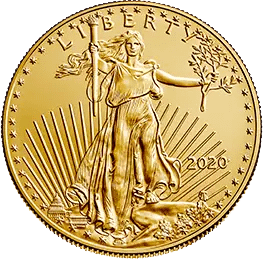
Higher inflation typically supports gold as a hedge because it protects purchasing power when prices rise. Gold has remained relatively steady despite recent market swings, trading in the mid to upper $4,700 range after the March inflation report.10
However, tighter Federal Reserve policy can limit gold’s gains since higher real interest rates compete with non-yielding assets. Current market action shows a tug of war between those two forces. Inflation is giving gold support while higher-for-longer interest rates limit its momentum.
If inflation continues to climb and the dollar weakens, gold may rise higher again. If inflation stays elevated but the Federal Reserve keeps a hawkish stance, gold could pause or pull back while remaining strong over the longer term.
Conclusion
The Iran conflict has reshaped global inflation and reminded Americans why gold maintains its place as a hedge in uncertain times. Energy costs, rising inflation, and Federal Reserve uncertainty are creating conditions that can favor tangible assets over paper wealth. Owning gold provides a measure of security when markets and policies become unpredictable.
If you want to learn more about how holding physical precious metals in a Gold IRA can protect your funds from inflation, call American Hartford Gold today at 800-462-0071.