SPEAK WITH A SPECIALIST
800-462-0071

I WANT TO

Britannia Liberty Bell 5 oz Silver Coin

Britannia 5oz

Created by the Romans almost 2,000 years ago, Britannia endures as a poignant symbol of a proud and steadfast nation. Throughout the centuries, this inspirational figure has become a long-lasting symbol of British fortitude as the nation has weathered economic, political and cultural change.

For 2026, The Royal Mint’s Britannia bullion coin range includes a unique 5oz silver design that pays tribute to a memorable 2008 release. The reverse of this bullion coin features the distinctive ‘lighthouse’ design created by experienced coin designer John Bergdahl, which shows Britannia ruling the waves, shield and trident in hand, as a lighthouse surveys the seas in the background.

Exclusive to the United States market, this coin also fittingly includes a Liberty Bell privy mark in honor of the 250th Anniversary of the Declaration of Independence, illustrating the long-standing connection between the United Kingdom and the United States.

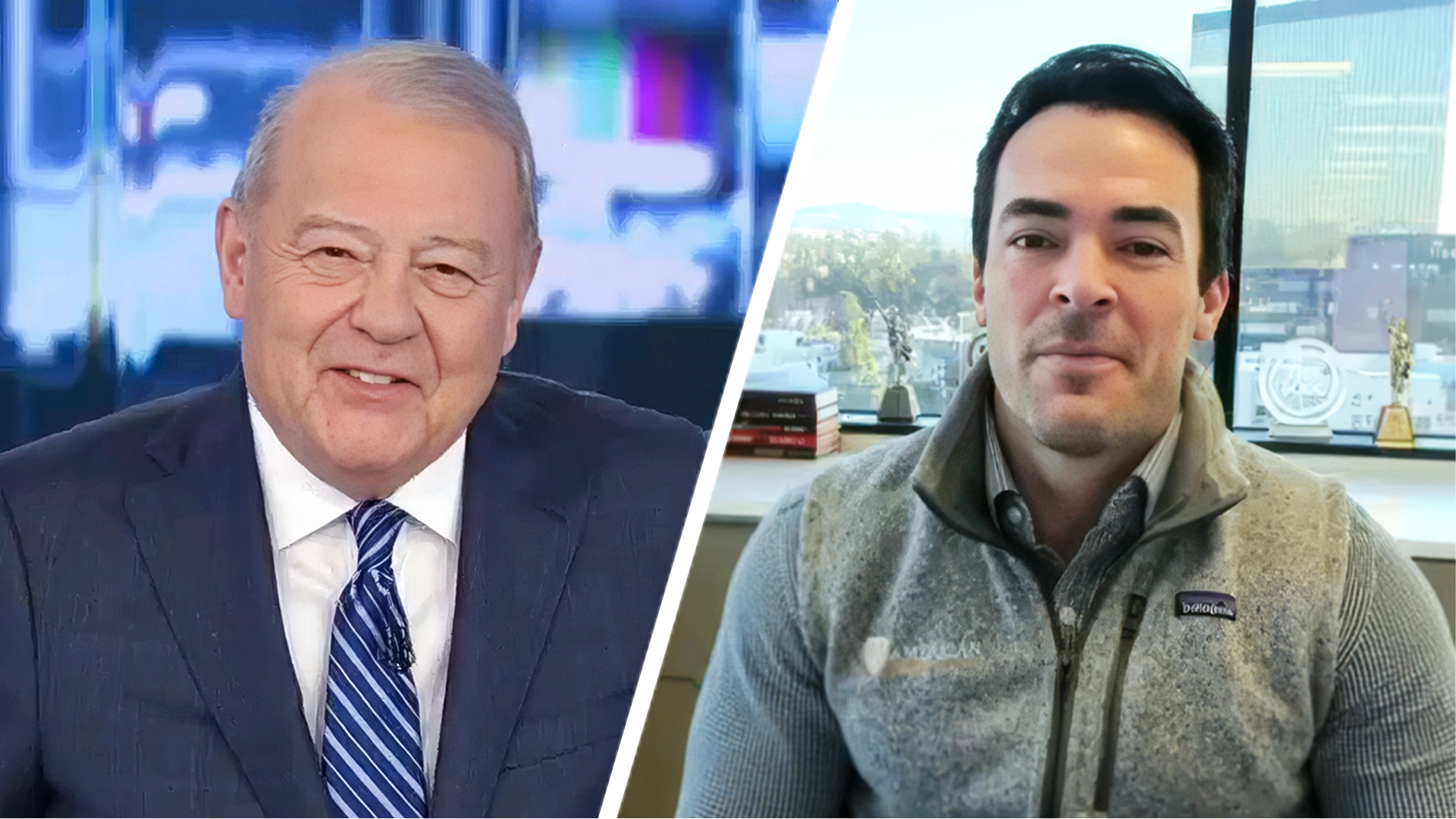
Max Baecker on Fox Business: Why $6,000 Gold May Be Conservative

Max Baecker

  • JPMorgan has issued a $6,300 gold forecast, pointing to substantial upside
  • Bank of America sees silver climbing toward $135 as dollar weakness persists
  • Physical metals offer stability with zero counterparty risk

Precious Metals Regain Strength

During a recent appearance on Fox Business, American Hartford Gold President Max Baecker told Stuart Varney that investors should not confuse short term volatility with a shift in the long-term direction of precious metals.

Following a modest pullback, both metals are regaining momentum. Gold recently traded near $4,941 while silver approached $87, underscoring continued investor demand.

Over the past year, gold has delivered powerful gains while silver has surged even higher. Rather than signaling trouble, the recent correction increasingly looks like a pause within a broader bull cycle.

Why $6,000 Gold May Be the Base Case

When asked about gold’s trajectory, Baecker pointed to institutional forecasts and currency trends.

JPMorgan has issued a $6,300 gold call, leading Baecker to suggest that $6,000 may prove conservative if the dollar continues to weaken and the long running debasement trade remains intact.1

Gold has historically strengthened during periods of monetary expansion and declining purchasing power. As confidence in paper currencies erodes, capital often rotates toward tangible stores of value.

Silver’s Upside Could Surprise

Silver’s outlook may be just as compelling.

Bank of America has issued a $135 forecast, reinforcing expectations for meaningful upside as the year progresses. Because silver typically trades with greater volatility than gold, bull markets can produce accelerated gains.2

Short term resets are common after sharp rallies, but they often help establish the foundation for the next leg higher.

What Happens in a Crisis?

Varney raised a question many investors quietly consider: what happens if the unexpected occurs?

History shows precious metals often reprice quickly during financial stress or geopolitical conflict. Credit disruptions, banking instability, or major international tensions have repeatedly driven investors toward safe haven assets.

In more extreme scenarios, Baecker suggested gold could climb dramatically higher, with silver following closely behind. While no outcome is guaranteed, these possibilities help explain why many investors treat physical metals as portfolio insurance rather than speculative trades.

The Advantage of Physical Ownership

Baecker also emphasized the critical distinction between physical metals and paper exposure.

“There’s zero counterparty risk to physical gold. It has value in the palm of your hand.”

Unlike mining stocks or other financial instruments, physical gold and silver are not dependent on corporate execution, counterparty promises, or financial system plumbing. They represent direct, tangible ownership.

As Baecker noted, investors seeking true protection often prefer owning the asset itself rather than shares tied to its performance.

Max Baecker

Corrections Are Normal in Bull Markets

After an extended run, some cooling was inevitable. Rapid price appreciation can attract momentum driven buyers and temporarily stretch valuations.

These periods rarely mark the end of a cycle. More often, they reset positioning before a continuation higher. With the macro backdrop still supportive, the rebound suggests investor appetite for precious metals remains durable.

Conclusion

Gold and silver continue to demonstrate why they have endured as trusted stores of wealth. Backed by institutional forecasts, pressured currencies, and persistent macro uncertainty, the long-term case for tangible assets remains firmly intact.

For investors, the real risk may not be short term price swings but being underallocated when conditions favor hard assets.

The question is no longer whether volatility will return to markets. It is whether your portfolio is prepared when it does.

Contact American Hartford Gold at 800-462-0071 to learn how physical gold and silver in a Gold IRA can help strengthen and protect your financial future.

Notes
1. https://www.reuters.com/business/finance/jp-morgan-expects-gold-prices-reach-6300oz-by-end-2026-2026-02-02/
2. https://www.kitco.com/news/article/2026-01-05/gold-will-be-primary-hedge-and-performance-driver-2026-silver-could-top-out


Uncertain Fed: Holding Rates, Shifting Leadership

Rate Cuts

Markets React to Fed Moves

Just as markets were settling into expectations for 2026, the Federal Reserve changed the conversation. The Fed held interest rates steady in January, while President Trump named his choice for the next Fed chair. Together, these moves reshaped market outlooks almost overnight and sent ripples through stocks, the dollar, and precious metals.

Why the Fed Is Holding Interest Rates Steady

In late January, the Federal Open Market Committee left the federal funds rate in a range from 3.5% to 3.75%. Policymakers described the economy as expanding at a solid pace. Job gains have slowed, but unemployment has stabilized. Inflation, while down from its peak, remains somewhat elevated.

AHG Blog Chart

1

This decision followed multiple rate cuts since September. Rather than rushing to ease further, the Fed signaled it wants more clarity. Analysts point out that recent economic data has been distorted by the earlier government shutdown and by changes in trade and immigration policies. Those forces are pulling in different directions by nudging inflation higher while also putting upward pressure on unemployment.

Forward guidance reinforced that message. Projections suggest only limited additional cuts in 2026. Growth expectations have been revised higher to around 2.3%. And unemployment is expected to drift toward a full employment estimate near 4.2%. Taken together, this raises the bar for more rate cuts in the first half of the year.2

What a Rate Hold Means for the Economy

Keeping rates in the current range means policy is no longer aggressively restrictive, but it is also not clearly loose. Consensus forecasts now point to moderate growth in the low 2% range, with inflation easing only gradually toward the Fed’s target.

The pause reduces the immediate risk of the Fed keeping interest rates too low or cutting them too quickly, which helped stabilize Treasury markets. It also eased fears that the Fed could respond too late to inflation. Such a delay can increase volatility and force more disruptive rate moves later.

At the same time, both the Fed and private sector analysts warn that deeper forces may keep interest rates structurally higher in the future. Retiring baby boomers and tighter immigration are shrinking the labor supply. Meanwhile, government spending and tax policies continue to push overall demand for goods, services, and labor higher, keeping inflation pressures alive.

Gold, Silver, and a Sudden Shift in Expectations

Coming into 2026, gold was already riding strong momentum after a record-breaking year. Central bank buying remained heavy, and many investors expected interest rates to stay low for a long time. Worries about Fed independence added to gold’s appeal. Silver joined the move later but climbed faster, helped by tight physical supply and its role as both an investment metal and an industrial input.

That strong setup ran into a sudden shift in late January. The Fed’s decision to pause on rate cuts, followed closely by President Trump’s nomination of Kevin Warsh as the next Fed chair, changed how markets viewed the path of monetary policy. Warsh is a former Fed governor known for taking a tough stance on inflation and for criticizing the Fed’s practice of creating large amounts of new money to support the economy.

The shift in expectations triggered a sharp reaction across markets. The dollar jumped, stocks sold off, and precious metals suffered a sudden decline. Gold fell nearly ten percent from its late January peak and silver plunging as much as 31.4%. Even so, this environment remains far more supportive for precious metals than a period when the Fed is actively raising rates. By early February, both gold and silver were already on track to recover those losses.

Looking Ahead Under a Potential Warsh Fed

Recently, Warsh may have modified his views. He has suggested that inflation risks could be overstated and has signaled support for cutting interest rates. As a result, strategists expect that if confirmed, he could push for more easing in 2026 than the roughly 50 basis points currently priced into markets. At the same time, his background reassures bond investors that he could pivot back toward restraint if inflation expectations truly re-accelerate.

For gold and silver, this creates a two-stage dynamic. In the short run, prices may remain volatile as traders who piled in quickly continue to exit their positions. Over the medium term, the outlook remains constructive, supported by lower real rates, a modestly weaker dollar over time, and continued official sector demand for gold.

JP Morgan outlined an upside scenario where gold could trade in an $8,000–8,500 range “in the coming years” if private investor allocations to gold rise sharply in a tight supply and strong central‑bank‑buying environment.3

Conclusion

The Fed’s decision to pause on rate cuts and the announcement of a new Fed chair briefly shook markets, but they did not change the bigger picture. Interest rates remain high, policy uncertainty is still present, and gold and silver continue to play an important role as long term stores of value. Short term price swings can happen, but the forces driving demand for precious metals remain in place. To protect your portfolio with physical precious metals in a Gold IRA, contact American Hartford Gold at 800-462-0071 today.

Notes:
1. https://www.threads.com/@gritcapital/post/DJXJwmbRQat/breaking-fed-leaves-interest-rate-unchanged-as-expected
2. https://www.nuveen.com/en-us/insights/investment-outlook/fed-update
3. https://www.benzinga.com/markets/commodities/26/01/50226074/gold-mania-jpmorgan-strategist-predicts-8500-is-possible-under-this-scenario