

- The Trump administration plans to allow 401(k)s to invest in alternative assets like private equity and crypto.
- Experts warn these alternatives are risky, illiquid, and often unsuitable for retirement savings.
- You can protect your finances today with physical gold through a Gold IRA.
A Safer Way to Diversify
The Trump administration is preparing to sign an executive order that could change how Americans save for retirement. It would allow 401(k)s to invest in alternative assets beyond traditional stocks and bonds. While the initiative aims to modernize the U.S. retirement system, the move comes with significant risks. And many Americans don’t realize that they already have access to a safer, time-tested alternative: the Gold IRA.
The Proposed Change: Alternative Assets in 401(k)s
In the U.S., 401(k) plans are among the most popular ways for working Americans to save for retirement. Employees contribute a portion of their salary, often matched by their employers. Those funds are then invested in publicly traded stocks and bonds. As of earlier this year, Americans held almost $9 trillion in 401(k) plans. The majority of it was in mutual funds that invest in public markets.

1
The Trump administration’s initiative is supported by the SEC. It would allow 401(k)s to invest in a variety of alternative assets. That includes private equity, venture capital, real estate, hedge funds, cryptocurrencies and gold. Private equity (PE) refers to investing in private companies thru specialized funds. These funds buy and sell businesses for a profit. These investments are typically illiquid, carry high fees, and involve long holding periods, often a decade or more.
Advocates argue this is an opportunity to diversify portfolios. That it can improve returns and modernize retirement planning. Groups like Blackstone, Apollo, and BlackRock have been lobbying hard for access to the $9 trillion 401(k) market. They need new sources of income. Higher interest rates and fewer IPO opportunities have made it harder for private equity to generate returns elsewhere.
The Risks of Alternative Assets in Retirement Plans
While alternative assets can offer higher potential returns, they also carry substantial risks. Particularly for retirement savers who need stability and liquidity.
Private equity funds can lock up investor money for years, often with no easy way to exit early. When retirees need their money during economic downturns, they may not be able to access it without significant losses. They also tend to be highly concentrated investments with opaque valuations and high fees. Fees that eat away at returns. Historically, their performance often fails to beat the stock market over time.
Experts caution that the complexity of alternatives make them a poor fit for the average retirement investor. Jeffrey Hooke is an economist at the Johns Hopkins Carey Business School. He said, “When people retire 20 to 30 years after investing in private equity, returns are going to be a little less than one would expect.” Moody’s has also warned that involving retail investors in private markets could pose systemic risks.2
Brian Payne of BCA Research summed it up clearly. “When you get retail involved in opaque markets, with very different liquidity structures, very different risk, and ultimately different assets and strategies, it doesn’t end well.”3
Even major institutional investors like the University of California are not immune. They found that hedge funds exposed them to unacceptable risks during market crises in 1999, 2008, and 2020. It took them years to unwind their positions.

Why Gold Stands Out Among Alternatives
Interestingly, the push to allow alternatives in 401(k)s is seen as a tailwind for gold and silver. Phillip Streible of Blue Line Futures called it “a bullish catalyst for gold and silver as more investors seek to protect their wealth.” He noted that since COVID, the traditional 60/40 portfolio has failed to keep up with inflation. And that even a small allocation to gold has historically improved portfolio performance.4
A report from FTSE Russell found that from 2010 onward, a portfolio split 60/20/20 between stocks, bonds, and gold delivered a better risk-adjusted return than the classic 60/40. Exposure to gold in a multi-asset portfolio enhanced returns. Especially in environments where the traditional bond-equity hedge broke down.
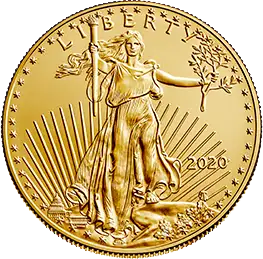
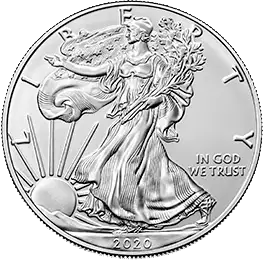
Physical gold offers a tangible, liquid, and historically stable hedge against inflation and market volatility. Qualities that other alternative investments can’t match.
You Don’t Have to Wait — Or Take on Extra Risk
While the proposed executive order would open the door for alternatives in 401(k)s, you don’t have to wait. And you don’t have to accept the extra risk that comes with opaque, illiquid private markets. A Gold IRA already allows you to diversify your retirement savings with physical precious metals.
Here’s why a Gold IRA makes sense:
- Tangible and Transparent: Unlike private equity, gold is a physical asset with clear pricing and established markets.
- Liquidity: Gold can be sold quickly if you need cash, unlike private funds that can lock up your money for a decade.
- Regulated and Simple: Gold IRAs operate under established IRS rules and don’t carry the complexity or hidden risks of private equity.
- Historical Performance: Gold has long served as a store of value, particularly during times of inflation and market stress.
Conclusion
The Trump administration wants to expand the ways Americans can save for retirement. However, the push to allow alternative investments in 401(k)s isn’t without risk. Private equity and other alternatives may offer higher returns on paper. But they also come with illiquidity, opaque pricing, high fees, and added risks. Risks that many retirement savers may not fully understand.
By contrast, a Gold IRA provides a simple, tangible, and proven way to diversify your retirement portfolio. Contact American Hartford Gold today at 800-462-0071 to learn how.